
Indian equity markets opened the new week on a steady, positive note. The Nifty 50 closed at 24,550.45, up 0.68%, while the Sensex settled at 78,586.95, gaining 0.63%. The Nifty Bank added 0.58% to close at 57,598.20, reflecting broad-based participation across large-cap financial stocks.
The session’s clearest winner was the consumer goods sector. Nifty FMCG — which tracks fast-moving consumer goods companies like household staples, food, and personal care brands — surged 1.52%, the strongest sectoral gain of the day. ITC led the charge with a 3.45% jump, making it the single biggest Nifty 50 gainer. Meanwhile, a sharp 5.70% crash in WTI crude oil — triggered by hopes of a US-Iran diplomatic breakthrough — gave the Indian rupee a significant tailwind. The rupee opened 25 paise stronger at 95.14 against the US dollar, settling around 95.18 (a 0.53% gain), which also helped ease imported-inflation anxiety across the market.
The broader market was in step with the headline indices: the Nifty Next 50 rose 0.72% and the Nifty 500 gained 0.73%, suggesting that the buying was not limited to just the top-30 or top-50 stocks. The only notable laggard was Nifty Pharma, which slipped a marginal 0.12% as Sun Pharma weighed heavily. As we head deeper into the August earnings season and await fresh global cues — particularly on the US-Iran talks and the Federal Reserve’s rate trajectory — the market’s next directional move will likely hinge on whether this week’s global optimism is sustained. We previously explored the question of whether Nifty could break past the 24,500 resistance zone — today’s close comfortably above that level is an encouraging development worth watching.
Key Insights
- Nifty 50 closed at 24,550.45 (+0.68%), firmly above the 24,500 mark that has been a key resistance level for weeks.
- Nifty FMCG was the top sectoral gainer at +1.52%, with ITC surging 3.45% to lead all Nifty 50 stocks.
- WTI crude oil crashed 5.70% to $79.84 a barrel on hopes of US-Iran nuclear talks, providing a major macro tailwind for India.
- The Indian rupee strengthened 25 paise to open at 95.14 against the US dollar, aided by cheaper crude and RBI intervention.
- India’s forex reserves climbed $6.12 billion to $682.35 billion for the week ended July 24, 2026 — a strong macro buffer.
- India’s IPO fundraising in 2026 is down 20% year-on-year to $5.78 billion as market volatility dents primary market sentiment.
- Sun Pharma fell 2.35% and Maruti dropped 1.88%, making pharma the only sector in the red and auto a notable laggard.
Market Snapshot
| Index | Close | Change | Prev Close |
|---|---|---|---|
| Nifty 50 | 24,550.45 | +0.68% | 24,383.60 |
| Sensex | 78,586.95 | +0.63% | 78,094.64 |
| Nifty Bank | 57,598.20 | +0.58% | 57,264.85 |
Top gainer: ITC +3.45% • Top loser: SUNPHARMA -2.35%
Market Analysis
What Moved the Market — and Why
The Big Picture: A Calm, Broad-Based Rally
Monday’s session was not a blockbuster, but it was notably well-rounded. All major indices moved higher, and the rally was broad — the Nifty 500 (which covers the 500 largest listed companies) gained 0.73%, slightly outpacing the Nifty 50’s 0.68% gain. This tells us that mid- and small-cap names participated meaningfully, not just the blue-chip giants.
The key driver was external: a sharp drop in global crude oil prices. WTI crude (West Texas Intermediate, the US benchmark) fell 5.70% to $79.84 per barrel after US President Donald Trump signalled that talks with Iran would begin on Monday. For India — which imports around 85% of its crude oil needs — cheaper oil is unambiguously positive. It lowers import costs, helps control inflation, reduces the current account deficit, and takes pressure off the rupee.
Sectors: FMCG Shines, Pharma Stumbles
Nifty FMCG was the clear sectoral champion, jumping 1.52% to 49,868.75. Consumer goods companies benefit from lower input costs when crude and commodity prices fall, because oil derivatives go into packaging, logistics, and raw materials. ITC’s 3.45% gain was the standout; the stock has been navigating a business mix shift and any positive sentiment in the broader consumer space tends to lift it.
Nifty Metal added 0.93% to 12,836.80, supported by a 1.03% rise in copper to $6.53 — a metal often seen as a proxy for industrial demand. Nifty Financial Services gained 0.84%, with Bajaj Finance (+2.32%) and Bajaj Finserv (+2.46%) among the top Nifty 50 gainers for the day — both in the financial services space.
Nifty Bank rose 0.58% to 57,598.20, a steady but unspectacular move. PSU Banks (government-owned banks, tracked by the Nifty PSU Bank index) were up 0.69%, slightly ahead of the broader banking index. Nifty IT gained 0.58%, a modest move in line with the overall market — global tech optimism (evidenced by the Nasdaq’s 3.81% surge in the prior US session) provided a floor, though IT stocks tend to react with a lag to US cues.
Nifty Pharma was the sole sector in the red, down 0.12% to 26,502.95. The drag came primarily from Sun Pharma, which fell 2.35% to 1,943.70 — the steepest loss among all Nifty 50 constituents today. Cipla also dipped 0.40%. Pharma often moves on company-specific news (drug approvals, US FDA updates, pricing pressures) rather than macro forces, and today’s sector-level weakness appeared stock-specific rather than macro-driven.
Top Movers: The Stars and the Stragglers

Among gainers, ITC (+3.45% to Rs 290.70) and Divi’s Laboratories (+3.37% to Rs 8,327.50) stood out. Divi’s Labs is a pharma company focused on active pharmaceutical ingredients (APIs — the chemical compounds that make medicines work), and its outperformance even on a weak pharma day signals stock-specific buying interest, possibly related to its June quarter earnings.
Dr. Reddy’s Laboratories rose 2.14% to Rs 1,172.70, also bucking the sector trend and suggesting selective accumulation in quality pharma names even as the index dipped.
On the losing side, Maruti Suzuki fell 1.88% to Rs 13,966.00. This is notable because the auto sector (Nifty Auto: +0.52%) was broadly positive — Maruti’s move was likely stock-specific. ONGC (Oil and Natural Gas Corporation), the state-run energy major, fell 0.36% to Rs 241.65. When crude oil prices fall sharply, upstream oil producers (companies that extract crude) typically see their earnings outlook weaken, which explains the selling in ONGC. Bharti Airtel dipped a marginal 0.22% to Rs 1,967.60.
Currency and Bonds: A Rupee Bright Spot
The rupee’s 25-paise strengthening to open at 95.14 (settling near 95.18) is significant. The currency gained 1.2% last week as well, signalling a shift in sentiment from weakness to near-term stabilisation. The RBI’s (Reserve Bank of India) active intervention in currency markets — selling US dollars when needed — has supported this move. A stronger rupee reduces the cost of dollar-denominated imports and can attract foreign portfolio flows.
US 10-year bond yields ticked up to 4.75% (a rise of 1.76% on the day — note this is a percentage move in the yield level, not 1.76 percentage points). Higher US yields generally make US assets relatively more attractive to global investors, which can slow the flow of foreign money into emerging markets like India. This remains a factor to watch.
Market Data
Indices
| Index | Last | Change | Prev Close |
|---|---|---|---|
| Nifty 50 | 24,550.40 | +0.68% | 24,383.60 |
| Sensex | 78,585.13 | +0.63% | 78,094.64 |
| Nifty Bank | 57,598.20 | +0.58% | 57,264.85 |
| Nifty Next 50 | 74,180.30 | +0.72% | 73,651.30 |
| Nifty 500 | 23,631.10 | +0.73% | 23,460.70 |

Sector performance
| Sector | Last | Change | Prev Close |
|---|---|---|---|
| Nifty IT | 30,886.55 | +0.58% | 30,708.95 |
| Nifty Auto | 28,894.90 | +0.52% | 28,744.15 |
| Nifty FMCG | 49,868.75 | +1.52% | 49,121.20 |
| Nifty Pharma | 26,502.95 | -0.12% | 26,534.80 |
| Nifty Metal | 12,836.80 | +0.93% | 12,719.00 |
| Nifty Realty | 904.90 | +0.38% | 901.45 |
| Nifty Energy | 38,869.10 | +0.36% | 38,729.55 |
| Nifty Financial Services | 29,301.35 | +0.84% | 29,055.85 |
| Nifty PSU Bank | 8,424.90 | +0.69% | 8,367.20 |
| Nifty Infra | 9,460.00 | +0.54% | 9,409.25 |

Top gainers & losers
Biggest daily movers among Nifty-50 stocks.
| Stock | Last | Change | Prev Close |
|---|---|---|---|
| ITC | 290.70 | +3.45% | 281.00 |
| DIVISLAB | 8,327.50 | +3.37% | 8,056.00 |
| BAJAJFINSV | 2,079.10 | +2.46% | 2,029.10 |
| BAJFINANCE | 1,167.70 | +2.32% | 1,141.20 |
| DRREDDY | 1,172.70 | +2.14% | 1,148.10 |

| Stock | Last | Change | Prev Close |
|---|---|---|---|
| SUNPHARMA | 1,943.70 | -2.35% | 1,990.50 |
| MARUTI | 13,966.00 | -1.88% | 14,234.00 |
| CIPLA | 1,467.30 | -0.40% | 1,473.20 |
| ONGC | 241.65 | -0.36% | 242.53 |
| BHARTIARTL | 1,967.60 | -0.22% | 1,972.00 |

Commodities
| Commodity | Last | Change | Prev Close |
|---|---|---|---|
| Gold | 4,121.30 | +0.35% | 4,107.00 |
| Silver | 58.39 | +1.04% | 57.79 |
| Crude Oil (WTI) | 79.84 | -5.70% | 84.67 |
| Brent Crude | 90.12 | +0.00% | 90.12 |
| Natural Gas | 2.76 | +0.44% | 2.75 |
| Copper | 6.53 | +1.03% | 6.47 |

Currencies & bond yields
| Pair | Last | Change | Prev Close |
|---|---|---|---|
| USD/INR | 95.18 | -0.53% | 95.68 |
| EUR/INR | 109.74 | -0.40% | 110.18 |
| GBP/INR | 128.20 | -0.47% | 128.80 |
| Instrument | Yield | Change | Prev |
|---|---|---|---|
| US 10Y Yield | 4.75 | +1.76% | 4.66 |
Global markets
| Index | Last | Change | Prev Close |
|---|---|---|---|
| S&P 500 | 7,489.72 | +2.37% | 7,316.15 |
| Nasdaq | 25,373.85 | +3.81% | 24,442.94 |
| Dow Jones | 52,485.03 | +1.73% | 51,594.14 |
| FTSE 100 | 10,868.05 | -0.37% | 10,908.40 |
| Nikkei 225 | 63,702.12 | -1.03% | 64,362.02 |
| Hang Seng | 25,911.89 | +0.20% | 25,858.88 |
| Shanghai | 3,809.65 | -0.59% | 3,832.26 |

Macro View
Macro View: Forex Cushion, Cheap Crude, and a Firming Rupee
India’s Forex Reserves Hit $682.35 Billion
India’s foreign exchange reserves — the stockpile of foreign currencies, gold, and special drawing rights held by the Reserve Bank of India — rose by $6.12 billion to reach $682.35 billion for the week ended July 24, 2026. This follows a smaller $1.08 billion rise the previous week, when reserves stood at $676.24 billion. The latest jump was driven largely by a sharp increase in foreign currency assets (FCAs), which form the largest component of the reserves.
Why does this matter? Forex reserves are India’s financial cushion. A large reserve pool gives the RBI firepower to defend the rupee during periods of volatility, manage import payments, and signal macroeconomic stability to foreign investors. At $682.35 billion, India’s reserves are at a comfortable level — enough to cover many months of import payments — and the continued uptrend is a positive signal for the country’s external financial health.
Crude Oil’s 5.70% Crash: A Gift for India’s Economy
The single biggest macro development on Monday was the sharp fall in WTI crude oil prices, down 5.70% to $79.84 per barrel. Brent crude — the global benchmark — held flat at $90.12. The divergence between the two benchmarks is worth noting; WTI’s move was sharper, driven by US-specific optimism around potential Iran nuclear talks.
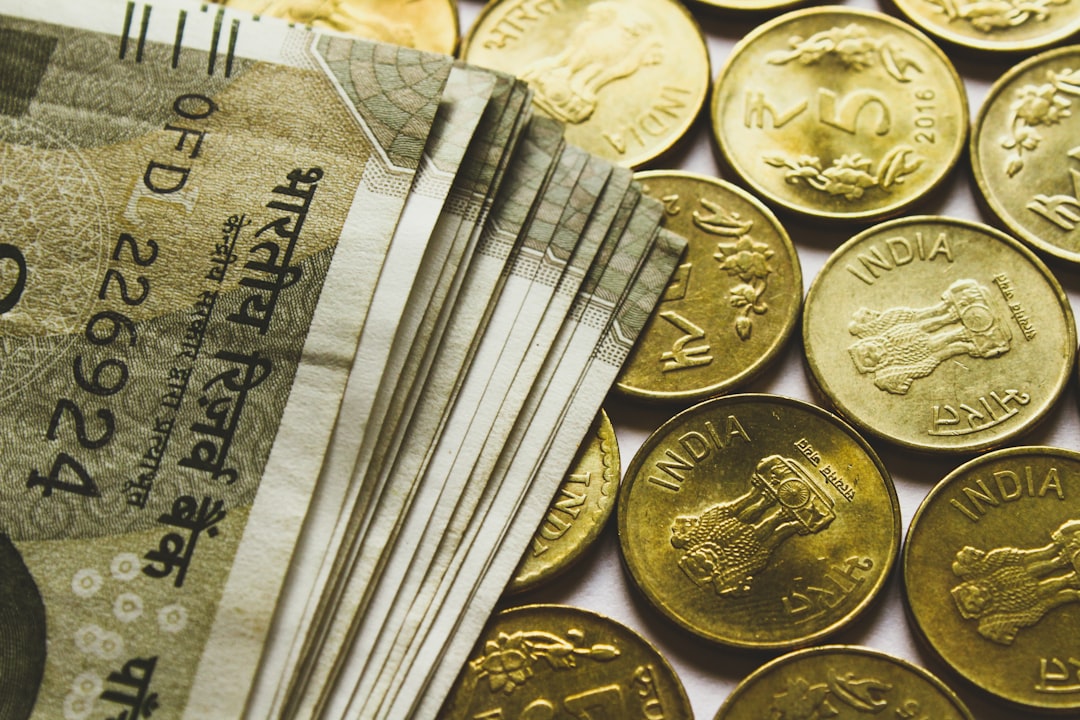
For India, cheaper crude is macro medicine. The country is one of the world’s largest crude oil importers, and the oil import bill is a major contributor to the trade deficit (the gap between what India buys from the world and what it sells). When crude falls, this gap narrows, the current account (the broadest measure of trade in goods and services) improves, and the rupee faces less downward pressure. Additionally, lower crude can ease petrol and diesel prices domestically over time, which feeds into lower headline inflation — giving the RBI more room to keep interest rates accommodative if needed.
The Rupee: 25 Paise Stronger, Sentiment Shifting
The rupee opened the session at 95.14 against the US dollar — 25 paise stronger than Friday’s close — and settled around 95.18 (a 0.53% gain on the day). This came on the back of a 1.2% gain last week, a meaningful move for a currency that had been under pressure earlier in the year.
Two forces are at work: the macro tailwind of falling crude (reducing dollar demand from oil importers) and the RBI’s active management of the exchange rate through market interventions. The shift in language around the rupee — from “concerns of weakening” to “near-term stabilisation” — is being noted by currency market participants. A stable or appreciating rupee also reduces imported inflation, which is the rise in domestic prices caused by more expensive imports when the currency is weak.
IPO Market: The Boom Cools
India’s primary equity market — where companies raise fresh capital by listing shares for the first time through Initial Public Offerings (IPOs) — has hit a softer patch in 2026. IPO fundraising is down 20% year-on-year to $5.78 billion. The reasons cited include market volatility, more cautious behaviour from institutional investors (FIIs and domestic mutual funds), and moderate post-listing price performance that has reduced the appetite for paying high valuations at the time of listing.
Major companies are reportedly reducing their issue sizes, accepting lower valuations than originally planned, or delaying listing plans altogether. This is a natural cyclical correction after the extraordinary IPO boom of 2023-2025. For retail investors, a cooler primary market can actually be a more rational environment — it tends to mean more reasonable valuations and less frothy grey market premiums (GMP — the premium at which IPO shares trade in the unofficial pre-listing market). If you want to understand how companies set their IPO prices in the first place, our explainer on the book building process in IPOs is a good place to start.
Nifty’s 15-Week Range: Consolidation or Coiling for a Move?
The Nifty 50 has been trading within a 1,531-point range for 15 weeks, according to market commentary — a prolonged period of consolidation (sideways movement). Today’s close at 24,550.45, above what has been a watched resistance level, is notable.
Foreign Institutional Investors (FIIs) — large overseas funds that invest in Indian stocks — showed significant outflows earlier this year. However, early signs suggest some are returning, potentially as the global unwinding of highly concentrated AI-related trades (where funds had large bets on a handful of US technology companies) prompts a reallocation of capital toward emerging markets like India. Domestic Institutional Investors (DIIs) — primarily Indian mutual funds — have been the consistent buyers who cushioned the market during FII selling. Easing inflation concerns provide an additional tailwind for the market’s medium-term outlook.
Corporate Earnings
Corporate Earnings: June Quarter (Q1 FY27) Roundup
The June 2026 quarter results season continues, with a mix of financial sector companies reporting. Here is what the numbers show for the companies featured in today’s news.
Nuvama Wealth and Investment: Profit Up 17.98%
Nuvama Wealth and Investment, the wealth management and broking firm, reported a 17.98% rise in standalone net profit for the June 2026 quarter. Revenue (sales) grew 26.37% to Rs 571.59 crore. The combination of strong top-line (revenue) growth and a healthy profit increase signals that the wealth management business is benefiting from rising equity market participation and growing assets under management. The revenue growth outpacing profit growth suggests reinvestment or higher operating costs, but the overall picture is solid for a company riding India’s financialisation wave — the long-term trend of more Indians moving savings from physical assets like gold and real estate into financial instruments.
Vastu Finserve India: Profit Jumps 29.10%
Vastu Finserve India, a private housing and MSME (Micro, Small and Medium Enterprises) lending company, posted a 29.10% increase in standalone net profit for the June 2026 quarter. Sales grew 36.79% to Rs 141.85 crore. For an NBFC (Non-Banking Financial Company — a lender that does not hold a banking licence but provides loans and financial services), these are strong growth numbers. The significant revenue expansion alongside profit growth suggests healthy loan disbursement activity and controlled credit costs (the cost of loans that go bad). India’s housing finance and MSME lending segments remain structural growth stories as formal credit penetration increases.
CSA Investments: Extraordinary Revenue Surge
CSA Investments Pvt reported a consolidated net profit of Rs 0.24 crore for the June 2026 quarter, with sales surging an extraordinary 6,709.38% to Rs 43.58 crore. Such a dramatic revenue jump in a single quarter, particularly for a smaller investment company, typically reflects either a one-time transaction, a change in business scope, or a significant new revenue stream — the news does not elaborate on the specific driver. Given the very modest profit despite the large sales jump, it is possible that costs also scaled significantly, or that the nature of the revenue (such as pass-through transactions) is not fully reflected in the bottom line. Investors in such smaller companies would want to scrutinise the detailed quarterly filing for clarity.
Auxilo Finserve: Profit Down 35.72%
Auxilo Finserve, an NBFC focused on education loans (lending to students for higher education costs), reported a 35.72% decline in standalone net profit for the June 2026 quarter, even as sales grew 2.36% to Rs 167.92 crore. A shrinking profit despite growing revenue is a red flag worth examining. It could point to higher provisioning (setting aside money in anticipation of loans that may not be repaid), rising borrowing costs (as the cost of funds for NBFCs has been elevated), or higher operating expenses. The education loan sector faces specific pressures around loan repayment rates among fresh graduates in a competitive job market. The revenue growth at least signals continued demand for the product.
Royal Sundaram General Insurance: Profit Slumps 70.02%
Royal Sundaram General Insurance reported a steep 70.02% decline in standalone net profit for the June 2026 quarter, even as sales (premium income) rose 9.63% to Rs 960.68 crore. A dramatic profit fall alongside growing revenue in the insurance business typically points to higher claims (the amounts the company paid out on insurance policies), higher reinsurance costs (insurance that insurers buy for themselves), or losses on the investment portfolio. The Indian general insurance sector has faced pressure from rising claims in motor and health segments, and any adverse weather events can spike property claims. Investors tracking this stock would want to examine the combined ratio (claims plus expenses as a percentage of premium — below 100% is profitable) and investment income details in the full quarterly disclosure.

Deals & Corporate Actions
Deals, IPOs, and Market Activity
MV Electrosystems IPO: Closes Today with 12.03x Subscription and 27% GMP
The Rs 290-crore MV Electrosystems IPO — a fresh issue (meaning all the money raised goes to the company, not to existing shareholders selling their stake) aimed at funding working capital and research and development — closed for subscription on Monday, having attracted 12.03 times subscription by the end of Day 2. Retail investor demand was reported as particularly strong.
The grey market premium (GMP — the unofficial premium at which shares trade before they officially list on the stock exchange, giving an informal signal of listing day expectations) stood at approximately Rs 120, indicating potential listing gains of around 27%. However, a significant caveat from the news: the company reported financial losses in FY26. That is important context for anyone considering the stock for the long term rather than a listing-day trade. Grey market premiums can be misleading — they reflect speculative demand, not fundamental value. Our earlier primer on what to expect from stock exchanges and how they work covers some of this context for newer investors.
Juniper Green Energy IPO: Closes Today with Muted GMP
The Rs 1,800-crore Juniper Green Energy IPO also closed for subscription on Monday. Unlike MV Electrosystems, this IPO carried a subdued grey market premium of just 1%, reflecting limited short-term listing gain expectations. Institutional demand was reported as strong, but high valuation concerns lingered. The proceeds are earmarked primarily for debt reduction, which means the company is not raising money to grow aggressively but to clean up its balance sheet — a more conservative use of IPO funds. As a play on India’s expanding renewable energy sector, it may appeal to investors with a long-term horizon, but those seeking quick listing gains found little to excite them in the GMP.
Advance Technoforge Lists on BSE SME
Advance Technoforge shares debuted on the BSE SME (Small and Medium Enterprises) platform on Monday, August 3. The IPO was subscribed 1.55 times overall — a moderate response — with a 4% grey market premium ahead of listing, suggesting a potential listing price of around Rs 99 against the issue price of Rs 95. BSE SME listings tend to have lower liquidity (trading volumes) than main-board listings, which means price swings can be sharper.
Propshop Events and Exhibitions Lists on NSE SME
Propshop Events and Exhibitions Ltd. debuted on the NSE SME platform on Monday. The company’s IPO raised Rs 28.57 crore and received a moderate investor response. Notably, there was no grey market premium ahead of listing, suggesting the market had muted listing gain expectations. The proceeds are earmarked for business growth and working capital.
Technocraft Ventures IPO: Price Band Set, Opens August 7
Looking ahead in the IPO pipeline, Technocraft Ventures has set its price band at Rs 200 to Rs 212 per share. The subscription window runs from August 7 to 11, with anchor investor allocation (the process where large institutional investors are allocated shares a day before the public issue opens, helping establish a price reference) scheduled for August 6. The lot size is 70 shares, with 50% reserved for QIBs (Qualified Institutional Buyers — large regulated institutions), 15% for NIIs (Non-Institutional Investors — high-net-worth individuals applying for larger amounts), and 35% for retail investors.
India’s IPO Market: The Boom Cools
The broader IPO trend in 2026 is one of recalibration. With fundraising down 20% year-on-year to $5.78 billion, issuers are adjusting to a more selective environment. Market volatility, cautious institutional investors, and moderate post-listing performance have made it harder for companies to command the lofty valuations that defined the 2023-2025 boom. For retail investors, this can mean more reasonably priced opportunities — though it also means the days of near-guaranteed listing gains on almost every IPO are behind us for now.
Global Pulse
Global Pulse: Wall Street Rallies Hard, Asia Mixed, Europe Dips
US Markets: A Strong Friday Carry-Over
American equity markets closed sharply higher in the session that preceded India’s Monday open, providing a constructive global backdrop. The S&P 500 rose 2.37% to 7,489.72, the Nasdaq surged 3.81% to 25,373.85, and the Dow Jones Industrial Average gained 1.73% to 52,485.03. The Nasdaq’s outsized gain reflects a strong rebound in technology stocks — many of which had been caught in a period of turbulence tied to the unwinding of heavily concentrated AI (Artificial Intelligence) investment trades. When large funds had to reduce their AI-related stock positions globally, the selling pressure hit US tech stocks hard. A reversal of that selling, combined with any positive macro development, can produce sharp recoveries of the kind seen in the Nasdaq.
The US-Iran diplomatic overtures around a potential nuclear deal were a significant factor here too. Easing geopolitical tension in the Middle East, even at the stage of “talks about talks,” reduces the risk premium embedded in oil prices and broader financial markets. This ripple effect — from a diplomatic signal in Washington to market gains in Mumbai — illustrates how interconnected global markets have become.
US Bond Yields: A Counterpoint to Watch
US 10-year Treasury yields rose to 4.75% on the day (a 1.76% move in the yield level). Treasury yields (the interest rate the US government pays on its debt) are a global benchmark. When they rise, it makes US government bonds more attractive relative to riskier assets like emerging market stocks. This can prompt some reallocation of global capital away from markets like India and toward the safety and yield of US bonds. At 4.75%, yields remain elevated by historical standards, and this continues to be a headwind for sustained FII (Foreign Institutional Investor) inflows into India.
Asia: Japan Falls, China Mixed, Hong Kong Steady
Asian markets presented a mixed picture. The Nikkei 225 (Japan’s benchmark index) fell 1.03% to 63,702.12. Japan’s market has been sensitive to currency moves — a stronger yen relative to the dollar can hurt Japanese exporters, and any shifts in global risk appetite tend to amplify Nikkei swings. Shanghai (China’s mainland index) fell 0.59% to 3,809.65, reflecting ongoing concerns about China’s economic recovery momentum. The Hang Seng (Hong Kong) was nearly flat, edging up a token 0.20% to 25,911.89.
Europe: FTSE in the Red
The FTSE 100 (London’s benchmark) fell 0.37% to 10,868.05. The FTSE is heavily weighted toward energy and commodity companies, and a sharp drop in crude oil prices is a direct headwind for those names. UK-listed energy majors saw selling pressure, pulling the index lower even as broader global sentiment was positive.
Commodities: Gold Up, Crude Crashes, Metals Rise
Gold rose 0.35% to $4,121.30, benefiting from dollar softness. When the US dollar weakens (which it did on Monday), gold becomes cheaper for buyers in other currencies, supporting demand. Silver rose more sharply, up 1.04% to $58.39 — silver tends to move more dramatically than gold, given its dual role as both a precious metal and an industrial input.
Copper gained 1.03% to $6.53, which is a positive signal for industrial demand expectations globally. Copper is used extensively in construction, electronics, and electric vehicles — its price is often read as a barometer for global economic health.
The most dramatic commodity move was in WTI crude, which fell 5.70% to $79.84 on US-Iran talk hopes. Brent crude held steady at $90.12. The divergence between the two benchmarks — Brent typically commands a premium to WTI — widened on the day, which may reflect regional supply dynamics and the specific nature of the Iran-related optimism affecting US crude pricing more acutely.
What to Watch
- US-Iran nuclear talks: Any progress or breakdown on Monday’s scheduled discussions will have immediate consequences for crude oil prices and, by extension, the Indian rupee, inflation outlook, and energy stocks like ONGC.
- FII flows this week: After 15 weeks of Nifty consolidation, watch whether foreign institutional investors follow early re-entry signals with sustained buying — their net purchase or sale data is published daily by NSE and BSE.
- Nifty 50 holding above 24,500: Today’s close at 24,550.45 is meaningful, but one day does not confirm a breakout. Watch whether the index can sustain above this level through the week on meaningful volume.
- Technocraft Ventures IPO (August 7–11): The price band is set at Rs 200–212 per share. Anchor investor allocation on August 6 will be the first signal of institutional appetite for the issue.
- Rupee trajectory: After a 1.2% gain last week and a 25-paise rise today, watch whether the currency can consolidate near 95 levels. Any reversal in crude or a sharp dollar rally could reverse recent gains.
- US 10-year bond yields at 4.75%: Continued upward pressure here could dampen FII enthusiasm for Indian equities — monitor US economic data releases and Fed official commentary this week.
- June quarter (Q1 FY27) earnings continuation: More companies are expected to report results this week. Financial services, FMCG, and pharma will be particularly in focus given today’s mixed sectoral signals.
- MV Electrosystems listing price (when allotment is finalised): With a 27% GMP and 12.03x subscription, the listing performance will be a test of retail sentiment in the IPO market amid the broader 2026 fundraising slowdown.
Feature: India’s IPO Market in 2026: Why the Boom Has Cooled and What It Means for Retail Investors
India’s IPO Market in 2026: Why the Boom Has Cooled and What It Means for Retail Investors
India’s IPO (Initial Public Offering) market was one of the most talked-about stories of 2023, 2024, and 2025. Hundreds of companies lined up to list on stock exchanges, retail investor applications broke records, and grey market premiums routinely signalled listing gains of 30%, 50%, or even more. Monday’s data puts a number on the hangover: IPO fundraising in 2026 is down 20% year-on-year to $5.78 billion.
This is a significant shift — and one worth understanding properly.
What Is an IPO, and Why Do Companies Do It?
An Initial Public Offering is the first time a private company sells its shares to the general public via a stock exchange. Companies do this for a variety of reasons: to raise fresh capital for expansion, to allow early investors or promoters to sell a portion of their stake (called an “Offer for Sale” or OFS), or to enhance their public profile and credibility.
In India, IPOs are regulated by SEBI (the Securities and Exchange Board of India), which sets disclosure requirements, pricing norms, and investor protection rules. The mechanics of how shares are priced — through a process called book building — involve companies and their investment bankers gauging institutional appetite before setting a final price band.
Why Did the Boom Happen?
The IPO surge of 2023–2025 was driven by a powerful combination of factors. Equity markets were trending strongly upward, which encouraged companies to list and investors to apply. Retail participation in Indian markets exploded, aided by the spread of discount brokers and UPI-based application systems. Simultaneously, liquidity — money available in the financial system — was abundant globally, meaning institutional investors were willing to take risks on new listings.
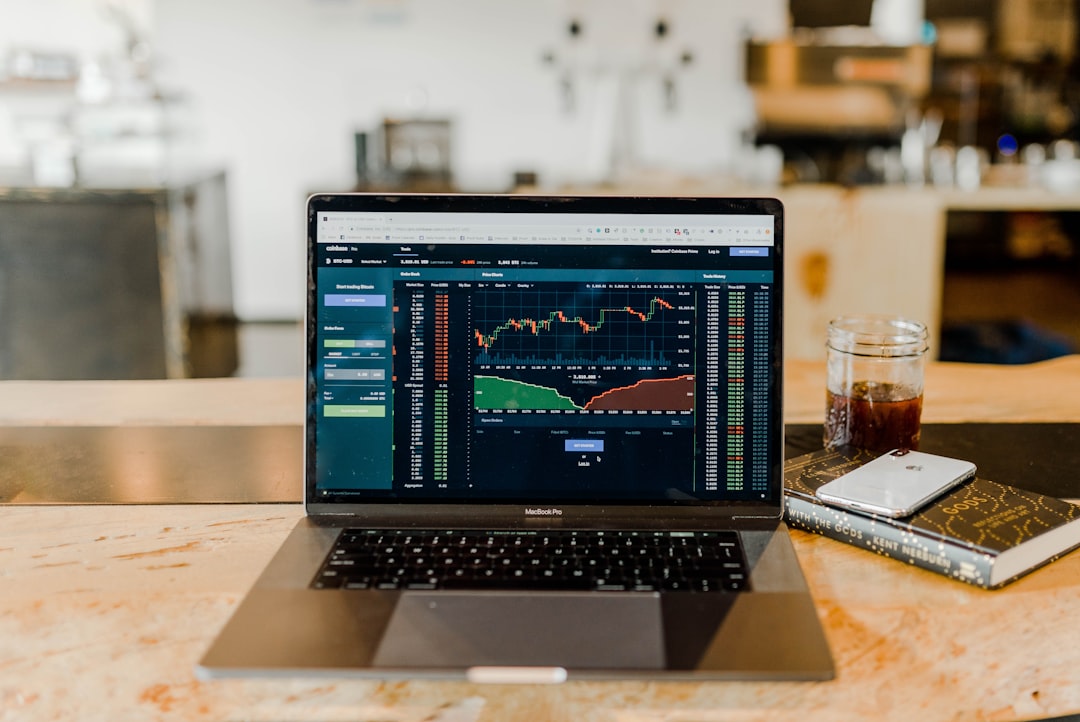
Grey market premiums soared. The grey market is an unofficial, unregulated pre-listing market where IPO shares change hands before they officially debut on NSE or BSE. A high GMP became a shorthand signal (though an imperfect and unregulated one) that a listing would be profitable. This reinforced retail enthusiasm in a self-fulfilling loop: high GMP attracted more applicants, which drove higher subscription numbers, which further boosted GMP.
Why Is It Cooling Now?
Several forces have converged to slow things down in 2026.
Market volatility has made it harder for companies to price IPOs confidently. When the secondary market (where existing listed shares trade every day) is choppy, investors are less willing to lock up money for the weeks between IPO application and listing. They worry the listing price could be lower than the issue price if markets fall in that window.
Institutional caution has increased. FIIs (Foreign Institutional Investors) — the large overseas funds whose participation lends credibility and depth to IPO books — have been selective. Without strong QIB (Qualified Institutional Buyer) demand, companies cannot command premium valuations.
Post-listing performance has moderated. During the boom, many IPOs listed at dramatic premiums and stayed elevated. In a more volatile market, more IPOs have either listed flat or given back gains quickly. When retail investors experience this repeatedly, they become more selective. Today’s data point — Propshop Events listing with zero grey market premium, and Juniper Green Energy GMP at just 1% despite Rs 1,800 crore in institutional demand — illustrates this normalisation in action.
Valuation expectations have clashed with market reality. Many promoters and private equity-backed companies had internally benchmarked valuations from the 2023-2025 boom. In 2026, public market investors are simply not willing to pay those prices. The result: reduced issue sizes, lower price bands, or delayed listings.
What Does This Mean for Retail Investors?
A cooler IPO market is not necessarily bad news for retail participants. Consider the following angles.
Valuations may be more reasonable. During boom periods, IPO valuations often stretch to levels that made long-term wealth creation difficult. Companies were priced to perfection, leaving little margin for the inevitable business challenges ahead. A market where companies accept lower valuations is one where the odds for long-term investors improve, at least at entry.
Grey market premiums are less reliable than ever. The GMP was never a regulated or guaranteed indicator of listing performance — it is driven by speculative sentiment and has no legal standing. In a normalising market, the gap between GMP and actual listing performance can be wide. Decisions based solely on GMP are essentially speculation, not investment. For a deeper understanding of how IPO pricing actually works, our post on the book building process in IPOs is worth a read.
The quality of businesses matters more. When easy listing gains are available, investors apply to almost anything. In a tougher market, scrutiny increases. Reading the prospectus (the detailed document a company must file with SEBI before listing, containing financials, risk factors, business details, and use of funds) becomes more important. MV Electrosystems is a current example: despite 12x subscription and a 27% GMP, the company reported losses in FY26 — a fact that the news correctly flags as a caution for long-term investors.
Subscription numbers are not proof of quality. A heavily oversubscribed IPO reflects demand for the shares at a specific price, not a verdict on the company’s business. Retail investors should resist the FOMO (fear of missing out) that comes from seeing a 12x or 50x subscription figure. Separately, the Hyundai Motor India IPO coverage on this site is a useful case study in how to approach a large, high-profile listing with critical eyes.
What to Look for Before Applying to an IPO
Whether the market is booming or cooling, the checklist for evaluating an IPO remains the same: Does the company have a track record of profitability or a clear, credible path to it? Is the use of IPO proceeds genuinely growth-oriented, or is it primarily promoters and early investors cashing out? How does the issue price compare to listed peers in the same industry? What are the specific risk factors disclosed in the prospectus? And finally — can you afford to hold the stock for several years if the listing performance disappoints?
The 2026 IPO slowdown is a healthy reset after an extraordinary multi-year surge. For investors who do their homework rather than chasing grey market signals, it may quietly represent a better vintage than the frothier years that preceded it.


Comments
Have a thought or a question? Leave a comment — no account needed.