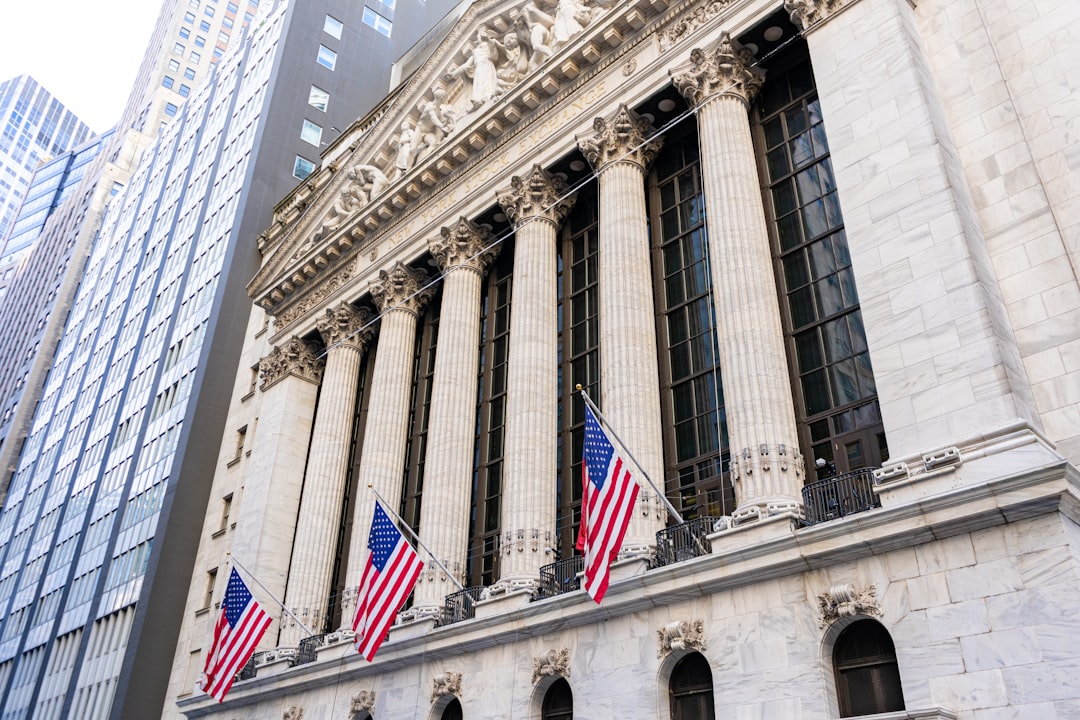
The US dollar has fallen to a three-month low, with investors worried about a newly activist approach to Treasury debt buybacks. That matters well beyond the currency market: the dollar influences import prices, inflation, bond yields and returns earned by overseas investors in US assets.
The immediate concern is not merely that the US Treasury is buying back debt. It is what the move could signal about the government’s desire to lower borrowing costs—and whether fiscal policy is starting to complicate the Federal Reserve’s control over interest-rate policy.
What happened
The dollar dropped to its lowest level in three months after a turbulent week in the US Treasury market. The news item links the currency move to worries about Treasury Secretary Scott Bessent’s debt-buyback announcement.
A Treasury buyback means the government repurchases some of its outstanding bonds before they mature. Depending on how it is structured, a buyback can improve trading conditions in less-liquid securities or alter the mix of debt available to investors.
The market’s concern appears broader than the mechanics of one transaction. Investors are asking whether the Treasury is becoming more active in trying to reduce the government’s financing costs, and what its next intervention might look like.
That uncertainty also produced a week of sharp moves in Treasuries. For a closer explanation of the policy tool, see our guide to Treasury debt buybacks and lower yields.
Why the dollar reacted
Currencies respond to relative returns, confidence and expected policy. If investors believe US interest rates or bond yields may be pushed lower, dollar-denominated assets can become less attractive compared with assets in other currencies.
There is also an institutional question. The Fed sets monetary policy, while the Treasury manages government borrowing. When the Treasury takes unusually visible steps intended to affect debt costs, traders may wonder whether those actions pull in a different direction from the Fed’s interest-rate decisions.
That does not mean Treasury buybacks automatically weaken the dollar. Currency markets absorb many forces at once, including economic growth, inflation expectations, geopolitical risk and policy elsewhere. In this case, however, buyback worries were the catalyst identified alongside the three-month low.
Why ordinary investors should care
A weaker dollar changes investment returns in ways that may not be obvious from a stock or bond price alone.
For an Indian investor holding US assets, returns have two components: the asset’s performance in dollars and the dollar-rupee exchange-rate movement. A US investment can rise in dollar terms while producing a smaller rupee return if the dollar weakens against the rupee. The reverse can happen when the dollar strengthens.
US consumers may also feel currency moves through imported goods. A sustained weaker dollar can make imports more expensive, although the final effect depends on how much companies absorb through their margins and how quickly they change prices.
For companies, the impact is mixed:
- US exporters may become more competitive abroad because their goods are cheaper in foreign-currency terms.
- Multinationals can receive an accounting lift when overseas revenue is translated into a weaker dollar.
- Import-heavy businesses may face higher costs.
- Companies with foreign-currency debt or revenue can see different effects depending on how they hedge exchange-rate risk.
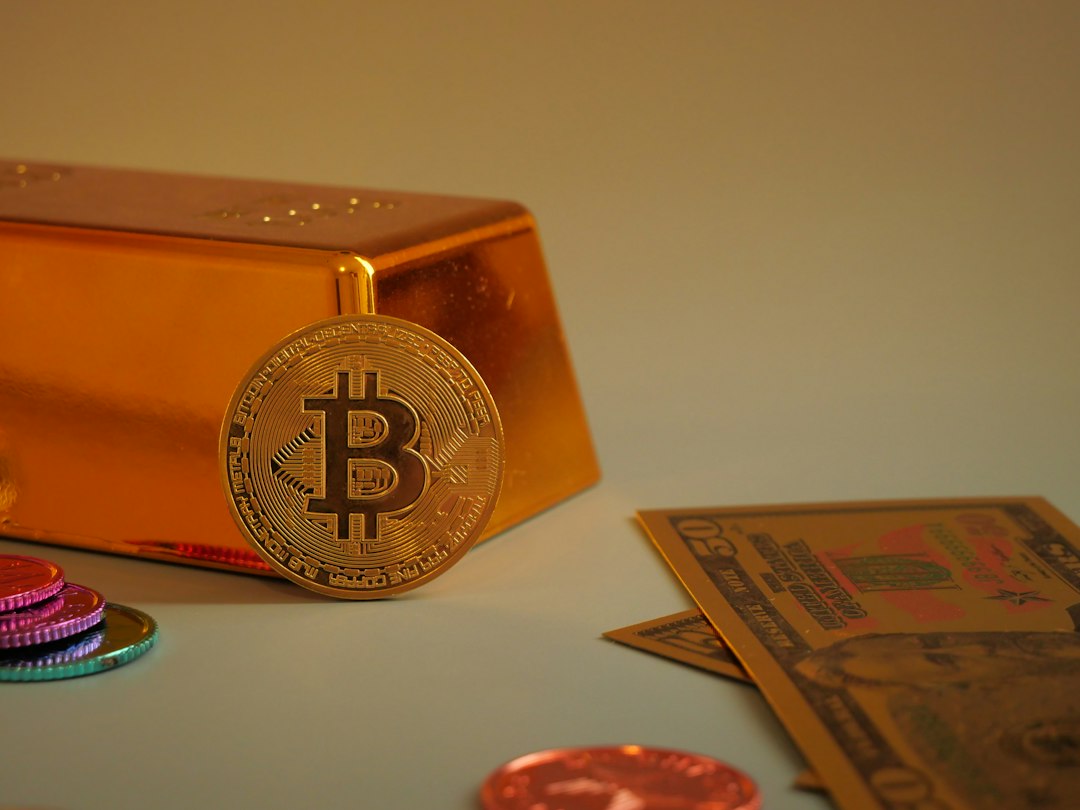
The move is also relevant to gold and bitcoin because some investors view them as alternatives when confidence in government money or sovereign debt weakens. Ray Dalio said the buyback announcement fits a wider pattern that could point toward a debt crisis and recommended gold and bitcoin. That is one investor’s interpretation, not proof that such a crisis is imminent.
The debt concern behind the move
The US government finances budget shortfalls by issuing bills, notes and bonds through the Treasury market. This market is central to global finance because Treasury yields serve as reference rates for mortgages, corporate debt and asset valuations.
If investors become less willing to hold government debt at existing yields, yields generally need to rise to attract buyers. Higher borrowing costs can then worsen the fiscal burden by increasing interest expense—a feedback loop that helps explain why debt-management decisions receive such close attention.
Buybacks can improve market functioning, but they do not erase the underlying debt. Investors therefore need to separate two questions: whether a transaction makes the bond market work more smoothly, and whether the government’s long-term finances are becoming more sustainable.
Recent bond volatility shows why that distinction matters. Our earlier explainer on a popular Treasury ETF hitting a 2004 low outlines how rising yields can translate into falling bond prices.
How this intersects with the Fed
The Fed’s job includes promoting stable prices and maximum employment. It influences financial conditions mainly through its policy rate and balance sheet.
The Treasury, by contrast, decides how the government borrows. If investors think Treasury operations are intended to suppress yields while the Fed is trying to restrain inflation, the two institutions can appear to be sending conflicting signals.
That perception may matter even without a formal change in either institution’s mandate. Markets depend heavily on credibility—the belief that policymakers will follow a consistent framework rather than chase short-term market outcomes.
The next major test mentioned in the supplied news is the upcoming Jackson Hole economic symposium and the Fed chair’s speech. Jackson Hole is an annual central-banking gathering watched for clues about the direction of interest rates and the economy.
What could reverse the dollar’s slide
A three-month low describes where the dollar has traded, not where it must go next. Several developments could change the direction:
- A Fed message suggesting rates will remain restrictive could support US yields and the dollar.
- Strong economic data could make faster rate cuts look less likely.
- Greater clarity from the Treasury could reduce fears about repeated intervention.
- Renewed geopolitical stress could boost demand for dollars as a perceived safe haven.
- Higher oil prices could complicate inflation expectations and alter the rate outlook.
Friday’s market backdrop was mixed. Major US stock indexes rose for the day but declined over the week, while investors watched fluctuating government-bond yields and developments involving Iran. Oil futures also finished higher for a sixth consecutive day, adding to inflation concerns.
That interaction between energy prices and bond yields is worth monitoring. We recently examined how oil and Treasury yields moved after the US-Iran ceasefire expired.
What to watch next
The clearest signal will come from the Treasury itself. Investors will want details about the scale, frequency and purpose of any additional buybacks, along with how future borrowing is distributed across short- and long-term securities.
The Fed’s communication is equally important. Watch whether officials treat Treasury actions as a technical debt-management issue or acknowledge that they materially affect financial conditions.
Bond yields can help show how investors are interpreting events. A falling dollar accompanied by falling yields would fit the view that expected US returns are becoming less attractive. A weak dollar alongside rising yields could instead point to concern about fiscal credibility or inflation.
Finally, investors should avoid treating one currency milestone as a complete portfolio signal. The dollar’s three-month low is meaningful because of the policy questions surrounding it, but the next move will depend on incoming data, Treasury decisions and the Fed’s response—not the headline level alone.


Comments
Have a thought or a question? Leave a comment — no account needed.