India’s 20-IPO Week: What Investors Should Watch
Twenty IPOs aim to raise about ₹4,152 crore this week, giving investors a crowded calendar and a fresh test of pricing, demand and listing appetite.
53 articles
Twenty IPOs aim to raise about ₹4,152 crore this week, giving investors a crowded calendar and a fresh test of pricing, demand and listing appetite.
Nestlé India faces three FSSAI adjudication cases over infant nutrition compliance, putting product oversight and disclosure under investor focus.

Tata shares fell after reported opposition to N Chandrasekaran’s third term raised governance questions across India’s largest business group.
Mutual funds are limiting closing-auction trades because an unfavourable execution price can affect a scheme’s NAV and its investors.
NSE’s IPO opens on September 17 with an offer for sale of up to 12.64 crore shares. Here is what GMP, the OFS structure and listing expectations mean.
The Nifty 50 closed at its lowest since April as expensive crude and rising US yields added pressure. Here is what Indian investors should watch next.

Tata Group shares rallied after the RBI rejected Tata Sons’ request to remain private, reviving hopes of a listing and value discovery.
A possible Tata Sons IPO valued at ₹9-12.5 lakh crore could reshape how investors value Tata group companies with stakes in the holding company.

SEBI has proposed major closing-auction changes after sharp price swings and liquidity concerns complicated derivatives settlement on expiry days.
NSE’s long-awaited IPO opens September 17 with a smaller offer and lower price band. Here is what investors should examine before applying.
Foreign investors have pulled nearly ₹2.8 lakh crore from listed shares in 2026 while putting over ₹47,000 crore into Indian IPOs.
NSE has reportedly cut its maximum IPO valuation target by 15% after regulatory curbs cooled derivatives activity, sharpening focus on growth and regulation.
NSE may reduce its proposed IPO to about ₹24,000-25,000 crore after receiving SEBI’s consent, with a launch targeted for September’s third week.
Pernod Ricard has reportedly appointed four banks for a possible India IPO by 2027, but the offer’s size, structure and strategic case remain unsettled.

NSE’s proposed offer for sale could crystallise large gains for early state-owned insurance investors, but the exchange itself will receive no funds.

Tata Motors has opened its cash tender offer for Iveco, moving a €3.82 billion takeover closer while leaving investors to weigh funding and execution risks.

SEBI’s final observations let NSE advance its long-delayed IPO, but investors still need the prospectus, dates and pricing before judging the offer.
The Supreme Court’s approval of NSE’s settlement removes a key overhang, bringing the exchange’s long-awaited mega IPO closer to reality.
Banks raised $127.2 billion through RBI’s FCNR(B) swap window, creating a large foreign-currency buffer with implications for the rupee and liquidity.
Sensex and Nifty fell more than 1% as US-Iran tensions and rising oil prices unsettled investors, reviving inflation and growth concerns.
India’s new closing auction processed $4.2 billion of MSCI-linked trades, but thin liquidity left around 60 stocks pinned at price limits.

MSCI’s September 1 reshuffle may drive sharp closing-session flows into select Indian stocks while trimming Reliance’s index weight.
HDFC Bank CEO Sashidhar Jagdishan is reportedly stepping down in October amid governance pressure, putting succession and oversight in focus.

Some Indian bank shares closed at sharply different prices on NSE and BSE, highlighting dislocation under the exchanges’ new closing auction system.
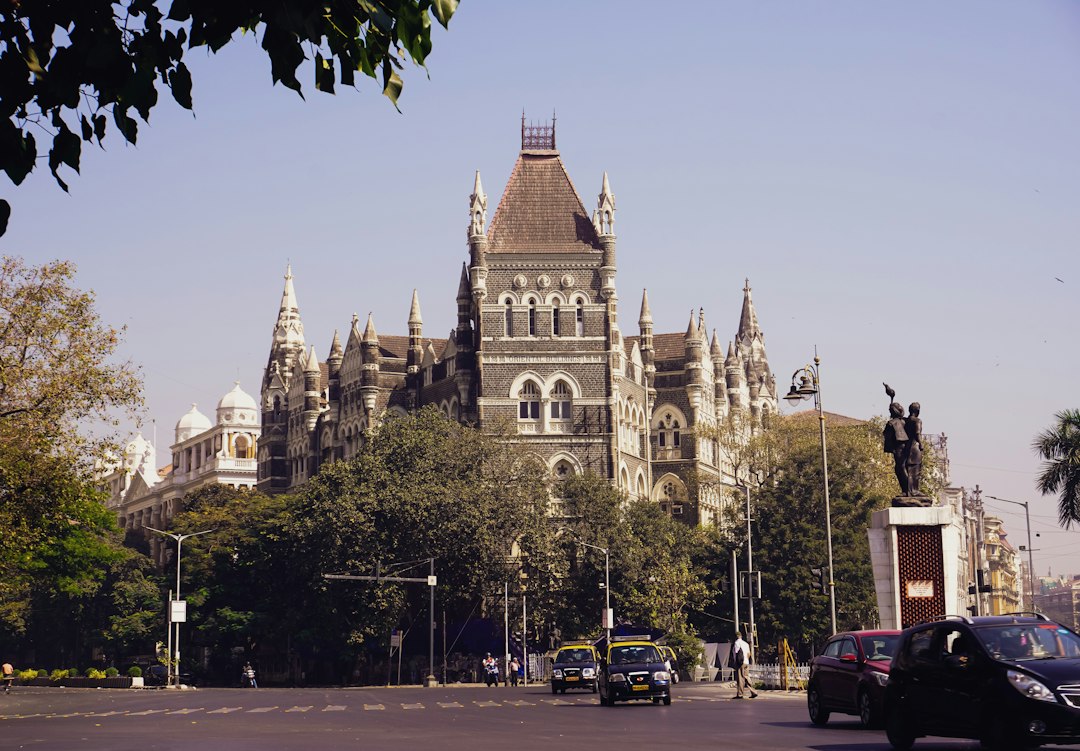
Tejas Networks surged after a ₹1,537 crore letter of intent from TCS, putting the order’s potential benefits—and execution risks—in focus.
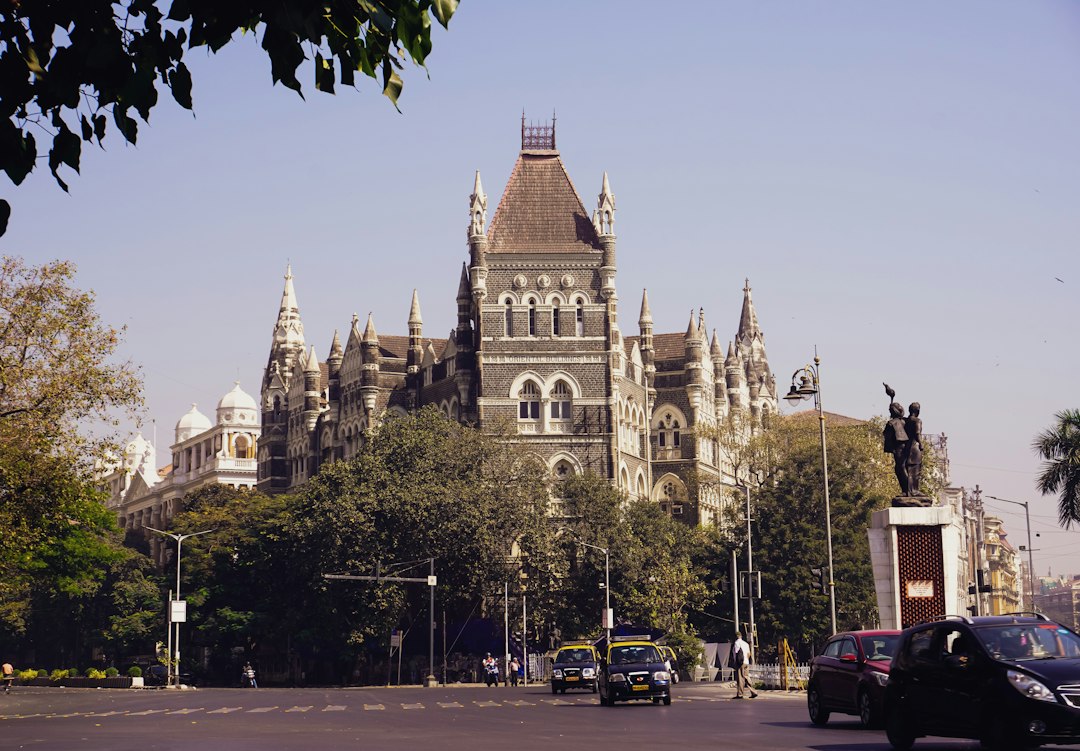
Sterlite Technologies hit a 5% upper circuit at ₹695.20 after a seven-month surge, putting momentum, valuation risk and liquidity in focus.
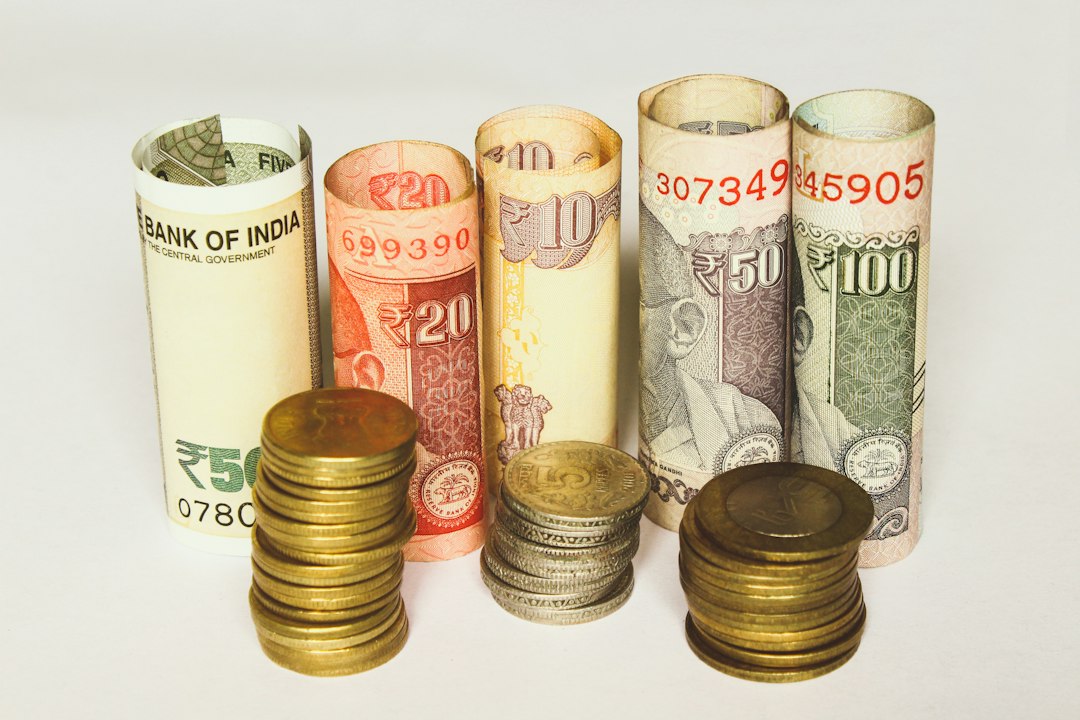
Gaja Alternative lists on August 26 with grey-market indications suggesting an 11.88% premium. Here is what that signal can—and cannot—tell investors.
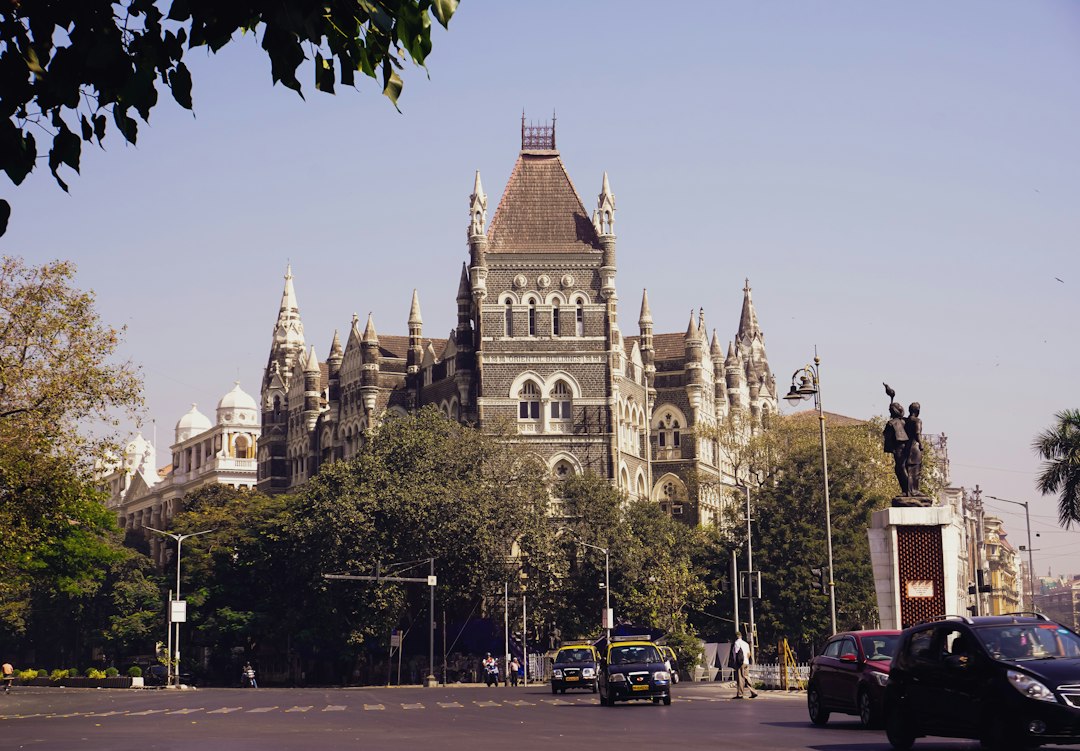
Indian companies have raised over ₹1.11 lakh crore through equity, with IPOs leading a busy July-August stretch and QIP activity also accelerating.

Traders under 30 now form 43% of equity-derivatives participants, but rising FY26 losses show why easy access does not make F&O less risky.

SEBI wants channel partners to take online bond access beyond large cities, but investors will still need to examine credit, liquidity and platform risks.
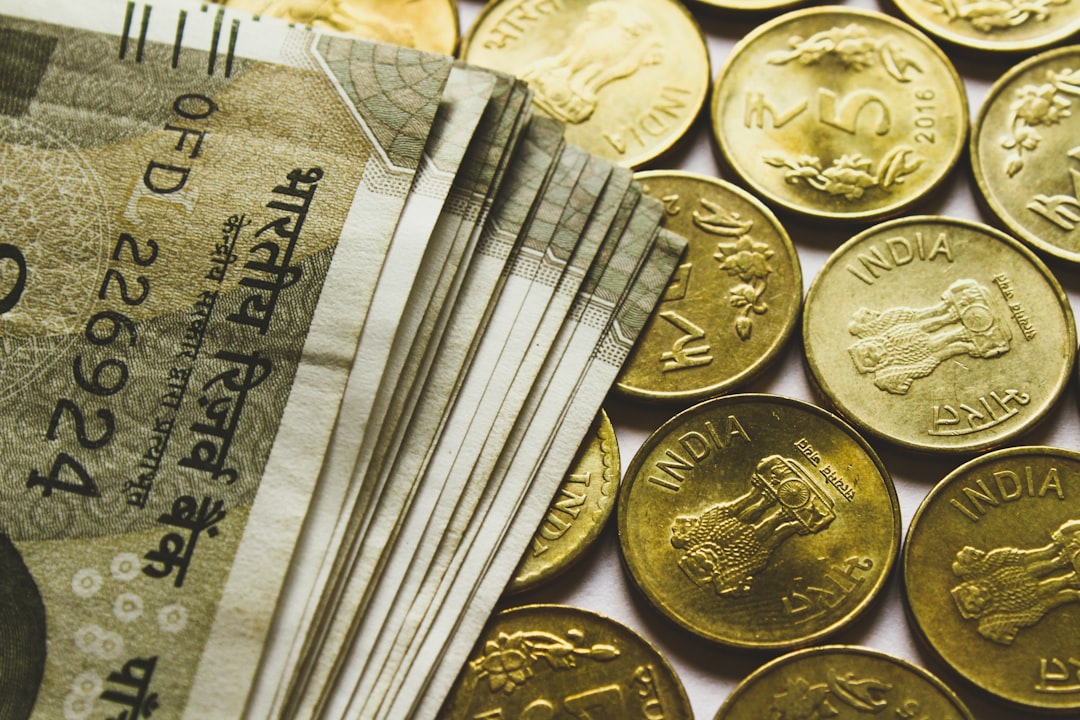
India’s benchmark bond yield touched 6.88% as rate-hike fears and West Asia tensions grew. Here is what the move means for savers and investors.

SEBI says 88% of retail F&O traders lost money in FY26, highlighting the risks of short-dated options even as participation declined sharply.
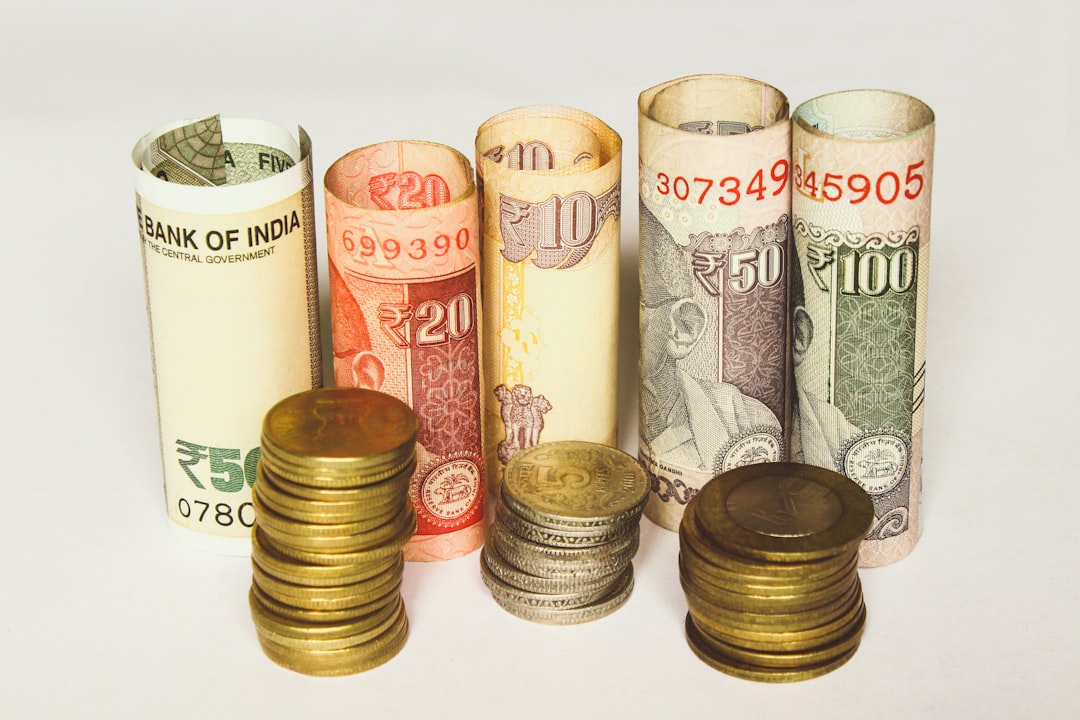
The rupee closed at 95.75 per dollar as soaring oil prices and weak equities added pressure, despite nine sessions of RBI intervention.

Nifty has fallen for six straight sessions as higher crude oil and West Asia tensions weigh on sentiment. Here is what investors should watch next.

Milky Mist Dairy Food lists today on BSE and NSE, with analysts estimating ₹158. Here is what GMP means and what investors should watch.
Seven mainboard IPOs aim to raise about ₹7,100 crore this week, testing investor demand, valuation discipline and the market’s ability to absorb new shares.
Five IPOs aim to raise ₹5,499.32 crore from August 17–21 as five other companies, including Shiprocket, prepare to list in a crucial demand test.
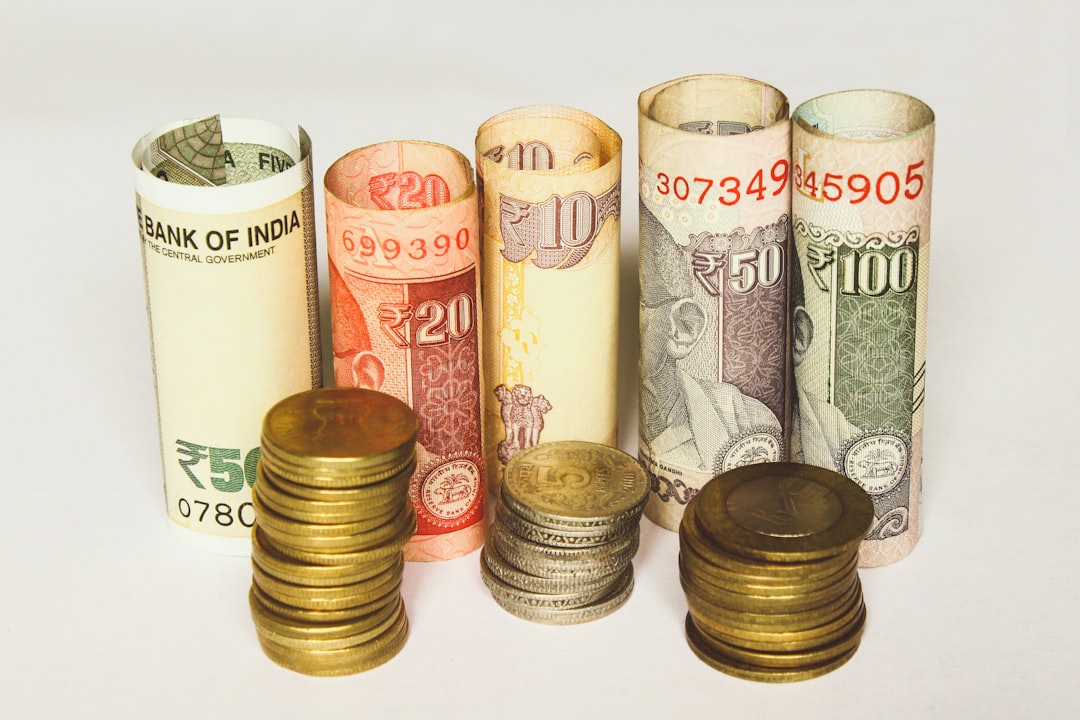
Patanjali Foods posted record Q1 revenue and an 86% profit jump. Here is how to read the growth, dividend and Monday’s likely market focus.
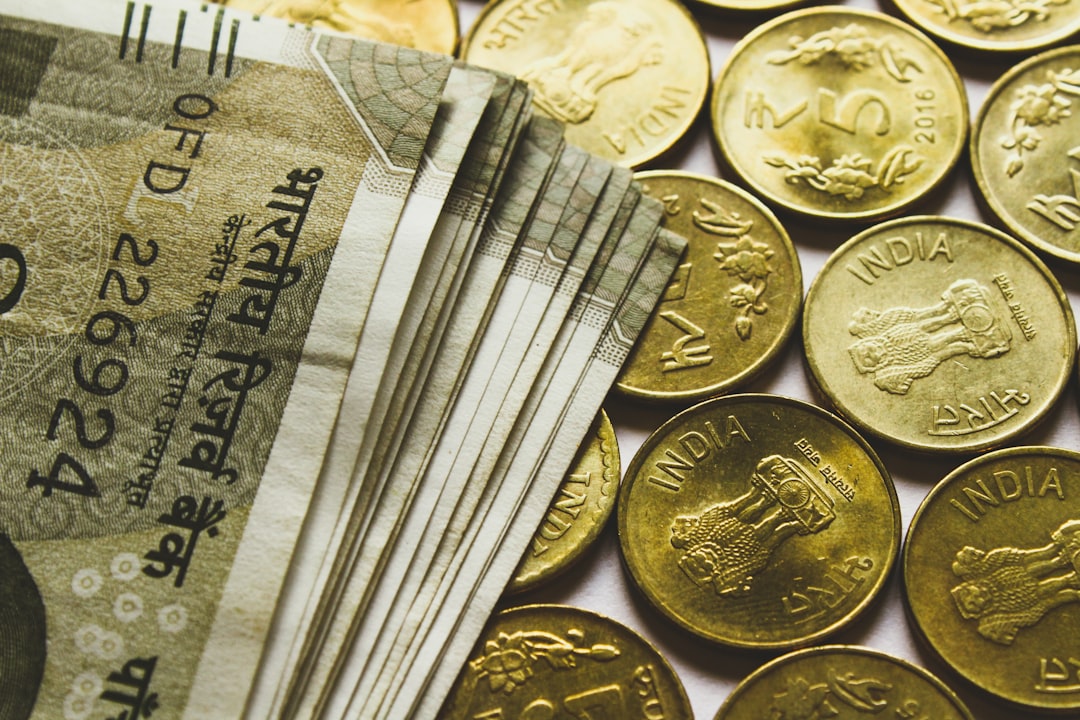
Crude oil eased despite fresh Iran tensions, but weekly gains near 4% keep India’s inflation, rupee and corporate-cost risks firmly in focus.

IRFC posted its strongest-ever quarter, but a shrinking loan book, weaker margins, stake-sale concerns and premium valuation keep pressuring the stock.
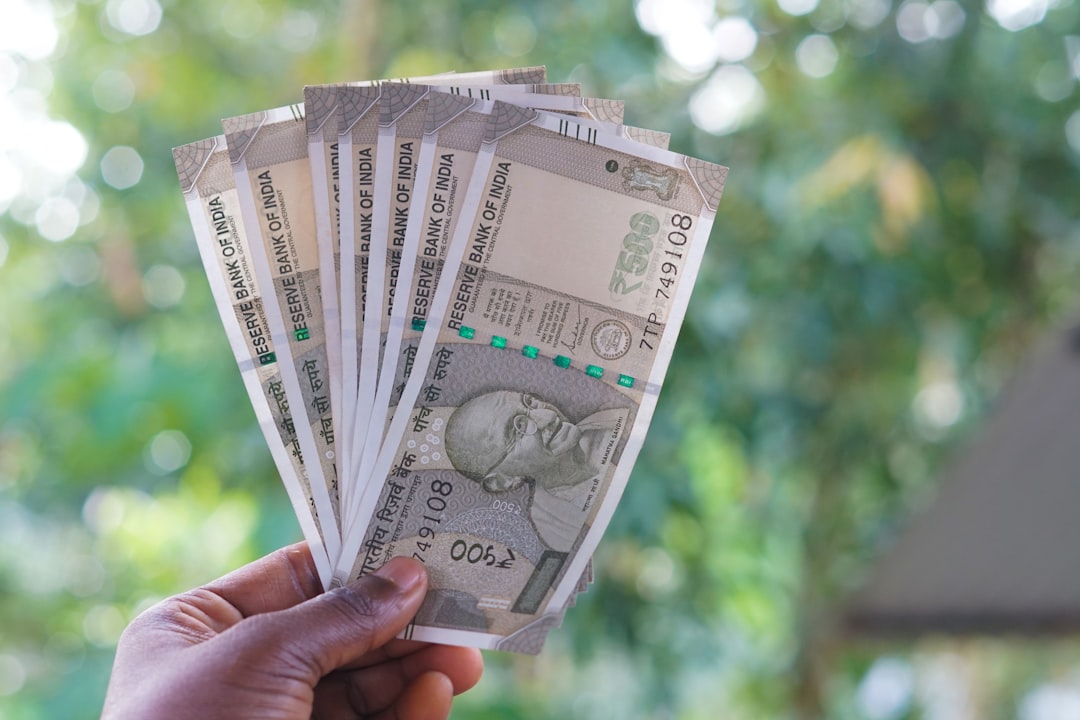
Shiprocket has raised ₹727 crore from anchor investors before its ₹1,617 crore IPO. Here is what that demand means—and what it does not.

Thirty-four companies are racing to launch IPOs worth about ₹45,000 crore by September 30, creating more choice—and more homework—for investors.

Nifty faced a muted Monday opening signal as stronger Asian markets competed with rising crude oil and geopolitical uncertainty.

BSE derivatives contracts fell after the closing auction began, but premium per contract jumped 74.8%, lifting turnover and market share.

SEBI has cleared nine IPOs across drones, gaming, renewables and more, while Ardee Industries’ offer drew demand worth 133.66 times the shares available.

SEBI’s difficult-to-recover dues rose 12% to ₹87,124 crore in FY26. Here is what the figure means—and does not mean—for retail investors.

Sensex gained about 200 points and Nifty crossed 24,600 as US-Iran peace hopes and strong Q1 earnings lifted sentiment. Here is what matters next.

Nifty fell 0.64% as realty, infrastructure and FMCG weakened; metals gained while investors weighed RBI policy, crude’s slump and LIC’s OFS.

RBI held the repo rate at 5.25%, raised FY27 growth to 6.7% and cut its inflation forecast to 5%. Here is what it means for households.

Nifty jumped 1.60% as IT and banks led, but a new closing auction amplified the late move and produced an unusual split with Sensex.

Nifty 50 closed at 24,550.45 (+0.68%) on Monday as FMCG surged 1.52%, the rupee firmed 25 paise, and crude oil tumbled 5.70% on US-Iran truce hopes.

Nifty hovers near a critical 24,160–24,500 resistance band. A decisive breakout — or rejection — could define the market's next major trend direction.

When it comes to building wealth, investing in the right avenues is key. The stock market is one of the most popular options, offering the potential for high…