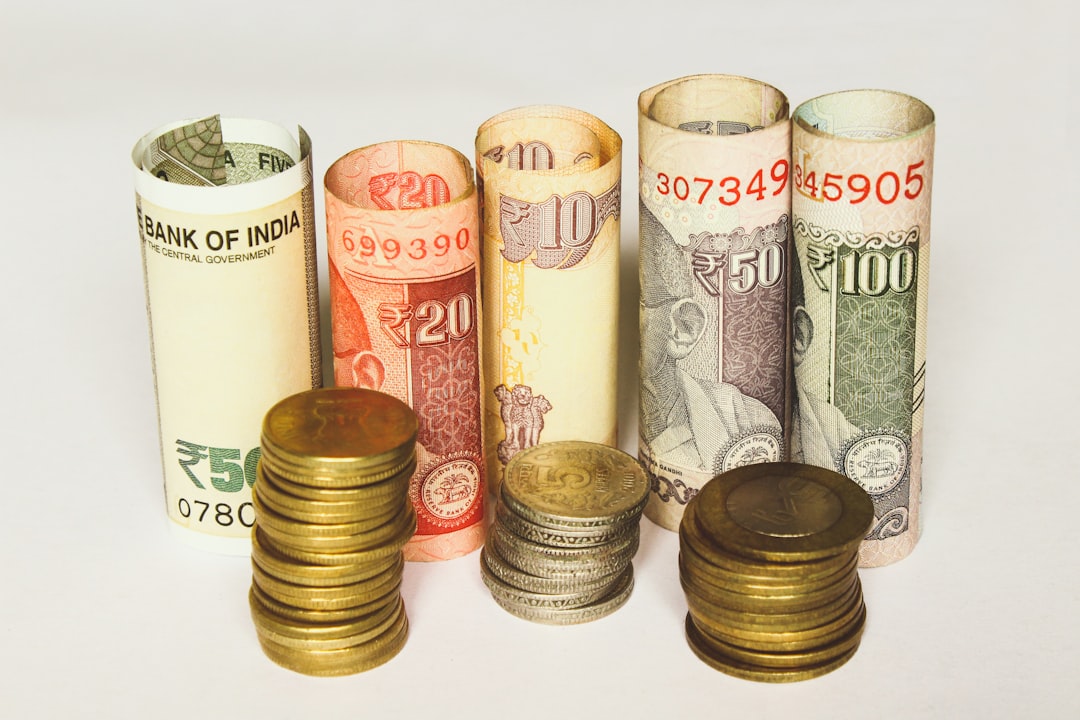
The Indian rupee closed at a three-week low of 95.75 against the US dollar on Wednesday, August 19. Soaring oil prices and falling Indian equity indices weighed on the currency, even as the Reserve Bank of India stepped in to limit the decline.
That matters beyond the currency market. A weaker rupee can make imported fuel and other overseas goods more expensive, raising costs for businesses and potentially adding pressure to household budgets.

What happened to the rupee?
The rupee finished Wednesday at 95.75 per dollar, its weakest closing level in three weeks. The provided market report also cited 95.71, but identified 95.75 as the closing level.
The RBI intervened substantially to prevent steeper losses. This marked the ninth consecutive trading session in which the central bank acted to arrest rupee weakness.
Central-bank intervention generally means the RBI participates in the foreign-exchange market to smooth unusually sharp currency moves. Its aim is not necessarily to defend one permanent exchange rate, but to reduce disorderly volatility.
Why expensive oil is hurting the currency
India buys a significant amount of its crude oil from overseas. When oil prices rise sharply, Indian importers need more dollars to pay suppliers, increasing demand for the US currency and putting pressure on the rupee.
This oil-currency connection is also affecting shares. Indian equity indices fell as higher energy costs raised concerns about corporate expenses, inflation and economic growth. The latest weakness follows the oil-driven pressure discussed in our explainer on the Nifty’s sixth consecutive decline.
A weaker rupee can make the oil bill heavier in local-currency terms, even if the dollar price of crude does not rise further. When both crude and the dollar climb against the rupee, the combined effect can be more difficult for an oil-importing economy.
Why ordinary savers and investors should care
Currency moves can travel through the economy in several ways. The impact is rarely immediate or uniform, but these are the main channels to understand:
- Fuel and transport costs: Costlier imported crude can raise expenses for refiners, airlines, logistics providers and manufacturers. Whether these costs reach consumers depends partly on pricing decisions and taxes.
- Inflation: A weaker rupee makes many imports more expensive. If businesses pass those costs on, household prices may face upward pressure.
- Interest-rate expectations: Persistent imported inflation can complicate the RBI’s room to support growth through monetary policy.
- Company profits: Import-heavy businesses may face higher costs. Exporters earning dollars may receive more rupees for overseas revenue, though demand, hedging and imported inputs also matter.
- Foreign investing: Indian investors buying US assets need more rupees for each dollar when the domestic currency weakens. Existing overseas holdings can gain in rupee terms from currency translation, even if the asset price itself is unchanged.
A hedge is a financial arrangement used to reduce exposure to an adverse price or currency move. Many large companies hedge part of their foreign-currency needs, so the effect of rupee weakness may appear gradually rather than all at once.
RBI intervention helps, but it cannot remove every pressure
The RBI’s nine-session run of intervention shows that policymakers are actively trying to slow the rupee’s decline. Such action can improve market liquidity and discourage one-way speculation.
However, intervention cannot permanently cancel broader forces such as a sustained oil shock, global demand for dollars or weak investor appetite for emerging-market assets. The durability of any currency stabilisation depends on whether those underlying pressures ease.
Investors should also distinguish between volatility management and a guaranteed exchange-rate floor. The rupee can still move after intervention, especially when global commodity and currency markets remain unsettled.
Which parts of the stock market are sensitive?
The effect depends more on a company’s business model than on a simple label such as “exporter” or “importer.” Investors can examine annual reports and exchange filings on the NSE or BSE for details on foreign-currency revenue, dollar-denominated debt and hedging policies.
Businesses dependent on imported fuel, components or raw materials may face margin pressure if they cannot raise prices. A margin is the portion of revenue left after costs; shrinking margins can weaken profits even when sales remain steady.
Export-oriented companies may benefit when dollar revenue converts into more rupees. But that possible benefit can be offset by weak overseas demand, imported inputs or existing currency hedges.
Banks deserve separate attention. The direct effect varies with their foreign-currency assets, liabilities, customer exposures and risk controls, while the indirect effect can emerge through inflation, interest rates and borrowers’ financial health.
Avoid reading too much into one exchange-rate print
A three-week low is notable, but it does not by itself establish a long-term trend. Currency markets react to several variables at once, and today’s dominant driver can fade quickly.
It is also risky to infer that every exporter will gain or every importer will lose. Company-level disclosures matter more than broad assumptions, particularly when firms have pricing power or hedging programmes.
The same caution applies to daily equity moves. Our guide to what to expect after a major macro event explains why markets often respond to changes in expectations rather than to a headline alone.
What to watch next
The first signal is oil. If crude prices remain elevated, dollar demand from Indian importers may stay strong and pressure both the currency and energy-sensitive companies.
Second, watch whether the RBI continues to intervene and whether those actions reduce the pace of depreciation. Official policy communication and data should be checked through the RBI rather than inferred solely from intraday market moves.
Third, track Indian equity sentiment. Continued index weakness can reinforce caution around rupee assets, while stabilising shares may ease one source of pressure.
Finally, listen to companies. Management commentary on input costs, currency hedges and pricing power can show where rupee weakness is affecting actual cash flows rather than merely market sentiment.
For households, the sensible takeaway is not to react to a single currency level. The more useful approach is to understand where exchange rates touch everyday finances: fuel, imported goods, overseas education, foreign travel and international investments.


Comments
Have a thought or a question? Leave a comment — no account needed.