
The US Senate has advanced a landmark crypto bill before leaving for its August recess, moving the debate over digital-asset rules another step forward. The immediate significance is procedural rather than final: the item says the measure advanced, not that it became law.
That distinction matters for anyone holding Bitcoin, using a crypto exchange, or investing in businesses exposed to digital assets. A bill can change as it moves through Congress, and implementation questions remain even after legislation passes.
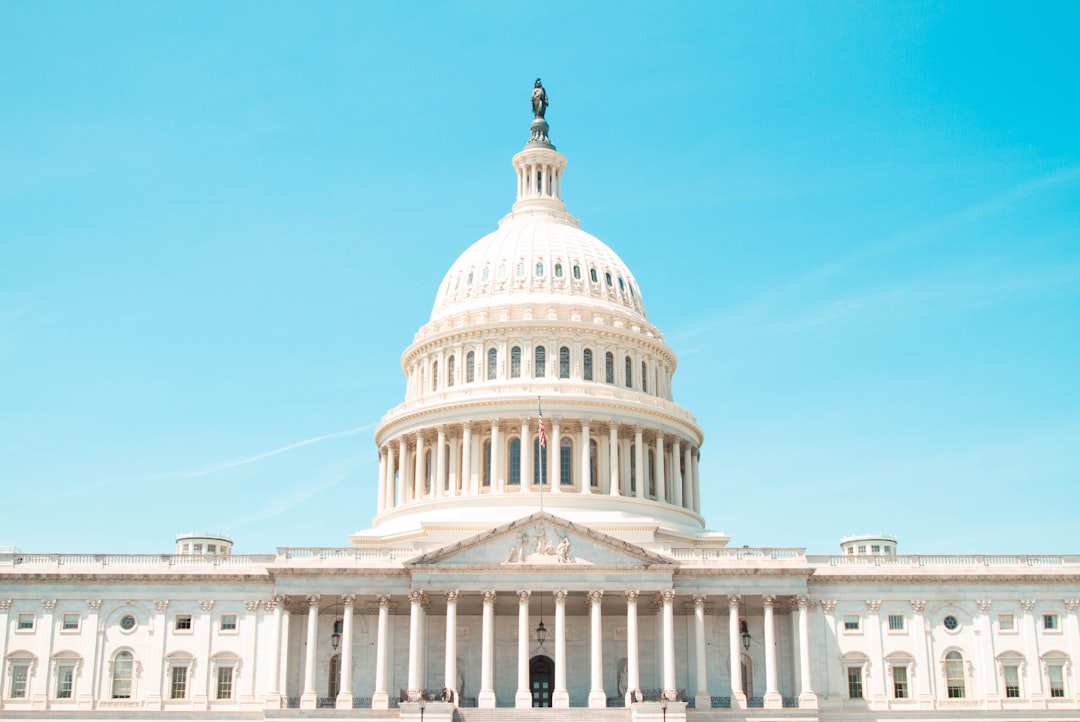
What happened
The US Senate advanced major crypto legislation before lawmakers departed for the August recess. Based on the provided report, the bill has cleared an important Senate step, but no final enactment, vote count, timetable, or detailed provisions were specified.
“Advanced” is legislative shorthand for moving a proposal further through the process. It should not be read as “signed into law.” Depending on the exact stage and text, further Senate action, consideration by the US House of Representatives, and the president’s signature may still be required.
This is therefore a policy milestone, not a finished rulebook. Investors should be careful with headlines that compress a long legislative process into a simple win-or-loss story.
Why the bill matters to ordinary investors
Crypto markets operate across several overlapping areas: trading platforms, custody, payments, securities and commodities. Clearer federal legislation could influence which rules apply, which agencies enforce them, and what obligations businesses face.
That can affect ordinary users in practical ways:
- Exchange oversight: Trading venues may face clearer registration, disclosure, custody, or compliance duties, depending on the final text.
- Token classification: The treatment of a crypto asset as a security, commodity, payment instrument, or another category can determine the applicable regulator and rules.
- Consumer protection: Legislation may shape how platforms safeguard customer assets and communicate risks.
- Business costs: New compliance requirements could help established firms with legal resources while making entry harder for smaller competitors.
- Market access: Banks, brokers, asset managers, and payment companies generally prefer a more predictable legal framework before expanding crypto services.
None of those outcomes can be assumed from the headline alone. The final language—and how agencies interpret it—will matter more than the political label attached to the bill.
Why regulatory clarity can cut both ways
Investors often treat “regulatory clarity” as automatically bullish, meaning favourable for prices. The reality is more balanced.
Clear rules can reduce uncertainty and make it easier for conventional financial institutions to participate. They can also impose restrictions, raise operating costs, or force some products and business models to change.
A tougher framework may benefit compliant platforms by removing weaker rivals. At the same time, it could reduce the availability of certain tokens or services. The effects may therefore differ across Bitcoin, stablecoins, exchanges, custodians, miners, and crypto-linked public companies.
This is similar to broader stock-market regulation: the rules can improve confidence while also creating costs. Our guide to regulators and key market players explains why oversight is part of how markets establish trust.
The agencies investors should know
The US crypto debate often involves several authorities whose responsibilities can overlap.
The Securities and Exchange Commission regulates US securities markets. The Commodity Futures Trading Commission oversees derivatives markets and has authority in parts of the commodity ecosystem.
The Federal Reserve can matter where banks, payments, or financial stability are involved. The US Treasury Department also has responsibilities connected with financial crime, sanctions, and the wider financial system.
A central question for any crypto bill is whether it draws cleaner boundaries among these authorities. Without the bill’s detailed provisions in the supplied report, it would be premature to say exactly how those lines may shift.

What the August recess changes
The timing matters because the Senate advanced the measure just before its August break. The recess can pause or slow formal legislative activity, even while negotiations continue among lawmakers and staff.
That creates a period in which headlines may focus on political support, proposed amendments, or industry reactions rather than final action. Markets can move on those signals, but negotiations may still alter the text.
Investors should separate three things:
- Political momentum: Whether enough lawmakers support moving the proposal forward.
- Legislative substance: What the bill actually requires and permits.
- Implementation: How regulators convert the law into detailed rules and enforcement practices.
A positive development in the first category does not settle the other two.
How Indian investors could be affected
US crypto legislation can have consequences beyond America because many large trading, custody, technology, and investment businesses serve international users. A US framework may influence global compliance standards and which products companies are willing to offer.
For Indian investors, however, US legislation does not replace Indian law. Tax treatment, platform access, reporting requirements, and regulatory obligations in India remain governed by Indian authorities and applicable local rules.
Anyone reviewing platforms should also distinguish regulation from safety. A legal operating status does not remove market volatility, cyber risk, custody risk, or the possibility that a token loses most of its value. Our overview of crypto exchanges and apps provides background on the role these platforms play, though features and rules can change over time.
Why this is not automatically a Bitcoin price signal
Bitcoin is the largest and best-known crypto asset, so regulatory headlines often move attention toward it. Yet the news supplied here does not report a Bitcoin price move or describe provisions specific to Bitcoin.
A law focused on trading venues, stablecoins, market structure, or token classification could affect different parts of the industry in different ways. It would be misleading to turn the Senate’s procedural step into a direct forecast for Bitcoin.
Short-term crypto prices can also be driven by liquidity, leverage, interest-rate expectations, and speculative positioning. Policy is important, but it is only one variable.
What to watch next
The bill’s full text and official legislative record are the first things to examine. Investors should look for concrete language rather than relying on summaries from advocates or opponents.
Key developments include:
- Whether the Senate takes further action after the recess.
- Whether amendments change the bill’s scope.
- How the House handles the measure and whether its version differs.
- Which agencies receive authority over particular assets and businesses.
- Whether the legislation includes transition periods before requirements take effect.
- How crypto exchanges, banks, payment firms, and consumer groups respond.
The final practical test will be whether the framework makes responsibilities clearer without creating gaps between regulators. Until the legislative path is complete, this remains a meaningful step toward US crypto rules—not the last word on them.



Comments
Have a thought or a question? Leave a comment — no account needed.