
A planned return to the stock market by data-center operator Switch has become one of the weekend’s biggest US listing stories. The company has reportedly filed confidentially for a US initial public offering, or IPO, that could value it at about $50 billion.
An IPO is the process through which a private company first sells shares to public investors. The headline valuation is eye-catching, but it is not yet a final offer price, a promise of proceeds, or proof that the listing will happen on the reported terms.
What happened
Switch has reportedly made a confidential IPO filing in the United States. A confidential filing allows a company to begin the regulatory review away from public view before publishing the full registration document closer to a potential launch.
That means ordinary investors do not yet have the detailed prospectus needed to examine revenue, profit, debt, ownership, customer concentration, planned use of proceeds, and major risks. The public filing, if and when it appears through the US Securities and Exchange Commission, will be the key document rather than the reported valuation alone.
The planned transaction would return Switch to public markets. It would also put a large, direct data-center business in front of investors at a time when demand for computing infrastructure is receiving intense attention.
Why the $50 billion figure matters
A valuation is the estimated total value assigned to a company’s equity. At roughly $50 billion, the reported figure would make this a major US IPO rather than a routine new listing.
Size matters for several reasons. A large deal can test how much investor appetite exists for businesses linked to computing infrastructure, while its reception can influence whether other private companies choose to list.
But valuation must be compared with business fundamentals. Until the prospectus is public, investors cannot reliably judge what they would be paying for each dollar of Switch’s earnings or cash flow, or how those figures compare with listed rivals.
Why data centers are attracting attention
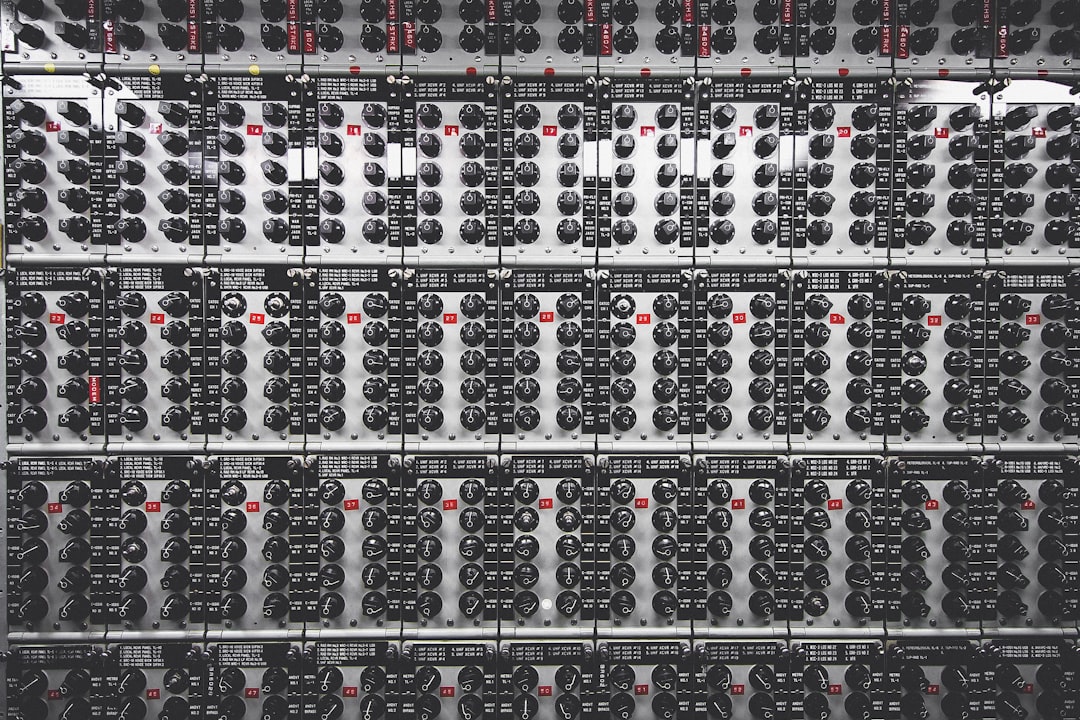
Data centers are physical facilities filled with servers, networking equipment, storage systems, cooling infrastructure and backup power. They support cloud services, websites, enterprise software and artificial-intelligence workloads.
The attraction is straightforward: more digital activity can create demand for additional computing capacity. Yet data centers are also capital-intensive, meaning they require substantial spending on land, buildings, electrical systems and equipment before that capacity can generate revenue.
That combination can produce a strong growth story alongside meaningful financial risk. Investors will need to distinguish between rising demand for computing and the economics of the company supplying the buildings, power and connectivity.
What investors still do not know
The confidential filing gives the market a headline, not a complete investment case. Several questions remain unanswered in the information currently available.
- Offer size: A $50 billion valuation does not reveal how many shares may be sold or how much cash Switch itself would receive.
- Listing venue: The available report says it is a US IPO but does not specify whether shares would list on the New York Stock Exchange or Nasdaq.
- Financial record: Public investors still need audited figures showing sales, profitability, cash generation and capital spending.
- Debt: Data centers require heavy investment, so borrowing levels, interest costs and repayment dates deserve close attention.
- Customers: The prospectus should show whether revenue depends heavily on a small number of tenants.
- Ownership: Investors need to know how much control existing owners will retain after the offering.
These details are especially important in an IPO. A company controls the timing of its debut and, together with its bankers, seeks a price that serves the sellers and the issuer. Public buyers must independently decide whether that price offers a reasonable balance of opportunity and risk.
The difference between valuation and cash raised
The reported $50 billion figure can easily be mistaken for the amount Switch plans to raise. They are not the same thing.
Valuation refers to the implied value of all the company’s equity at the offer price. IPO proceeds depend on the number of shares sold and whether those shares are newly issued by the company or sold by existing owners.
New shares can fund expansion or reduce debt, but they also dilute existing ownership. Shares sold by current owners put money in those sellers’ hands rather than directly into the business. The eventual filing should separate these components clearly.
Risks behind the infrastructure story
The first risk is execution. A confidential filing does not guarantee that an IPO will proceed, and market conditions can change before pricing.
The second is valuation risk. A popular theme can encourage investors to pay a high price before they have enough evidence about sustainable profit and cash flow.
The third is financing risk. Capital-heavy companies can be sensitive to interest rates because new facilities may require debt, while higher yields can also make bonds more competitive with stocks.
Operational risks matter too. Data centers need reliable electricity, cooling and connectivity. Expansion can be constrained by the availability and cost of power, construction capacity and suitable locations, although the available news items do not provide Switch-specific figures for these factors.
Investors should also avoid treating every company connected with artificial intelligence as economically identical. Chipmakers, software providers, cloud platforms and data-center operators occupy different parts of the value chain and can have very different margins, debt loads and competitive pressures.
What Indian investors should understand
For an Indian retail investor, a US IPO can be harder to access than an already listed stock. Broker availability, overseas-investment processes and the allocation of IPO shares may affect whether participation is possible at the offer stage.
There is also currency exposure. Even if a US investment rises in dollar terms, the investor’s rupee return can differ once exchange-rate movements and transaction costs are included.
Anyone new to listings can first review how stock exchanges work and the practical issues covered in our guide to buying a US stock after its IPO. The key lesson is that missing an IPO allocation does not require chasing the stock after trading begins.
What to watch next
The next meaningful event would be publication of Switch’s registration statement. That document should reveal the company’s financial history, debt, customers, ownership, risk factors and proposed use of proceeds.
After that, investors can watch for an indicated price range, the number and type of shares on offer, the chosen exchange and the proposed ticker. The final valuation may differ from the figure now being reported.
It will also matter whether the offering includes a lock-up period. A lock-up temporarily restricts certain insiders from selling shares after an IPO; its expiry can increase the supply of stock available for trading.
For now, the planned Switch IPO is best viewed as an important signal about appetite for large infrastructure listings—not as a fully formed investment opportunity. The prospectus, pricing and first public financial disclosures will provide the evidence needed to assess what sits behind the $50 billion headline.



Comments
Have a thought or a question? Leave a comment — no account needed.