Berkshire Hathaway is back in focus after the company’s profit doubled, its equity holdings rose and it repurchased $4.5 billion of its own shares, according to the cited report. The combination matters because it offers three different signals about the conglomerate: reported earnings improved sharply, its stock portfolio gained value, and management judged buybacks to be an acceptable use of capital.
At a glance
| Last | Change | Prev Close | |
|---|---|---|---|
| Berkshire Hathaway Class B | 521.80 | +0.57% | 518.85 |
| S&P 500 | 7,757.64 | +0.44% | 7,723.55 |
| Dow Jones | 54,036.93 | -0.57% | 54,349.12 |
| Nasdaq Composite | 26,690.62 | +1.24% | 26,363.44 |

For ordinary investors, however, the headline needs unpacking. Berkshire’s reported profit can swing with market prices, while a buyback only creates value when shares are repurchased at a sensible price.
What happened
The report says Berkshire’s profit doubled as the value of its equity holdings surged. “Equity holdings” are shares Berkshire owns in other publicly traded companies, so rising market prices can lift its reported results even before those gains are realised through a sale.
It also says Berkshire bought back $4.5 billion of its own shares. A share buyback is when a company uses cash to purchase and retire its stock, leaving the remaining shareholders with a slightly larger proportional claim on the business, all else being equal.
These two developments should not be treated as the same kind of performance. Gains in a listed-share portfolio depend heavily on market prices, whereas operating results come from Berkshire’s underlying businesses.
Why reported profit needs careful reading
Berkshire owns operating businesses as well as a large portfolio of listed stocks. That structure can make its bottom line unusually volatile because changes in market values can flow through reported earnings.
A surge in equity holdings can therefore make one period look exceptionally strong. The reverse is also possible: a market decline may drag down reported profit even if the operating businesses remain healthy.
That is why investors often separate market-driven gains from operating performance. Useful questions include whether insurance underwriting was profitable, whether the group’s other businesses generated more earnings, and how much cash the operations produced.
This is a practical lesson beyond Berkshire. Before reacting to a large earnings percentage, identify whether it came from sales and margins, a one-off event, or a change in investment values. Our guide to company valuation methods explains why no single headline number tells the full story.
Why the $4.5 billion buyback matters
Buybacks reduce the number of shares outstanding. If the underlying business value stays unchanged, each remaining share represents a larger ownership slice.
But buybacks are not automatically good. Their effect depends on the price paid, the company’s financial strength and whether the cash had a better alternative use.
A sensible framework is to ask:
- Was the stock repurchased below a reasonable estimate of intrinsic value, meaning the present worth of the company’s future cash flows?
- Did the company retain enough cash for claims, debt, acquisitions and unexpected stress?
- Were the repurchases large enough to meaningfully reduce the share count?
- Did management avoid borrowing heavily merely to support the buyback?
Berkshire’s repurchase is especially notable because capital allocation—the choice between retaining cash, acquiring businesses, buying securities and repurchasing shares—is central to how the company operates. Investors can use the approach in our valuation analysis guide to understand why the purchase price matters as much as the dollar amount.
What the buyback does not prove
A repurchase does not guarantee that management expects the share price to rise soon. It may simply mean the shares looked more attractive than the company’s other available uses for cash at that time.
Nor does the announcement alone reveal the exact value created. Investors need the average price paid, the reduction in total shares and management’s explanation of its capital needs.
This distinction is important because companies sometimes announce large authorisations but execute only part of them. Here, the report describes $4.5 billion of shares as having been bought back, making actual execution—not merely an authorisation—the relevant point.
How investors can read the next filing
The next step is to consult Berkshire’s filings rather than rely only on the headline. The company’s reports can be checked through its official website and the US Securities and Exchange Commission filing database.
Focus on four areas:
- Operating earnings: Look for changes in profits from the businesses Berkshire controls, not only gains in listed stocks.
- Insurance results: Underwriting performance and investment income can move independently, so each deserves attention.
- Cash and liquidity: Buybacks should be viewed alongside the cash Berkshire keeps available for obligations and opportunities.
- Share count: Compare diluted shares across periods to see the buyback’s actual effect on each shareholder’s ownership.
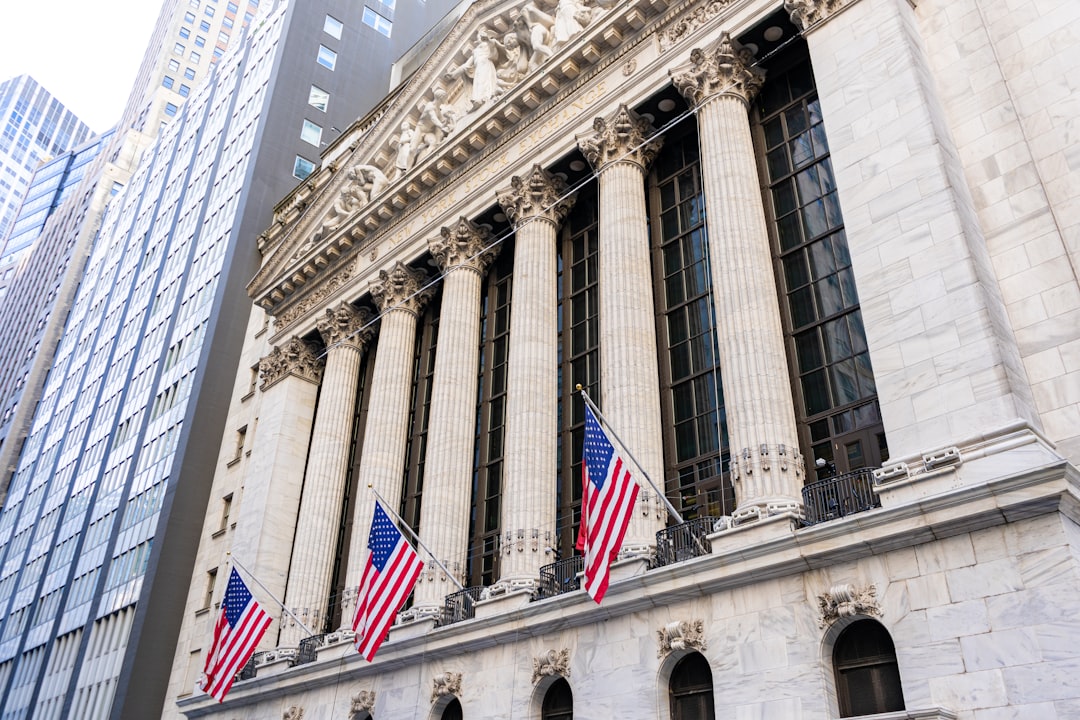
Investors should also examine the valuation of the major listed holdings. A portfolio can strengthen reported results during a rally while becoming more exposed to a future reversal. For broader context, Berkshire shares trade on the New York Stock Exchange, where prices reflect expectations as well as current financial results.
The risks behind the upbeat headline
The first risk is confusing unrealised gains with recurring profit. Unrealised gains are increases in asset value that have not been locked in through a sale, and they can reverse.
The second is paying too much attention to one quarter or reporting period. Berkshire’s mix of insurance, industrial businesses, consumer operations and securities means short-term comparisons can be noisy.
The third is assuming that every buyback benefits shareholders. Repurchasing overvalued stock can destroy value, while keeping too little liquidity can restrict a company when conditions worsen.
Finally, concentration matters. A sharp rise in a few large equity positions can have an outsized impact on Berkshire’s portfolio value. Investors studying that issue may find our overview of how index weight concentrates market exposure useful, even though Berkshire’s portfolio is not an index.
What to watch next
The most useful follow-up will be management’s detailed commentary and the company’s next official report. Watch whether buybacks continue, slow or stop, because the pace may change with Berkshire’s share price and competing opportunities.
Also monitor whether operating earnings confirm the strength implied by the headline. A durable improvement from controlled businesses would carry a different meaning from a profit jump driven mainly by market prices.
The key takeaway is simple: the doubled-profit headline is eye-catching, but the quality of that profit matters. Berkshire’s $4.5 billion repurchase adds an important capital-allocation signal, yet investors still need the share price paid, the operating numbers and the remaining liquidity before judging its significance.


Comments
Have a thought or a question? Leave a comment — no account needed.