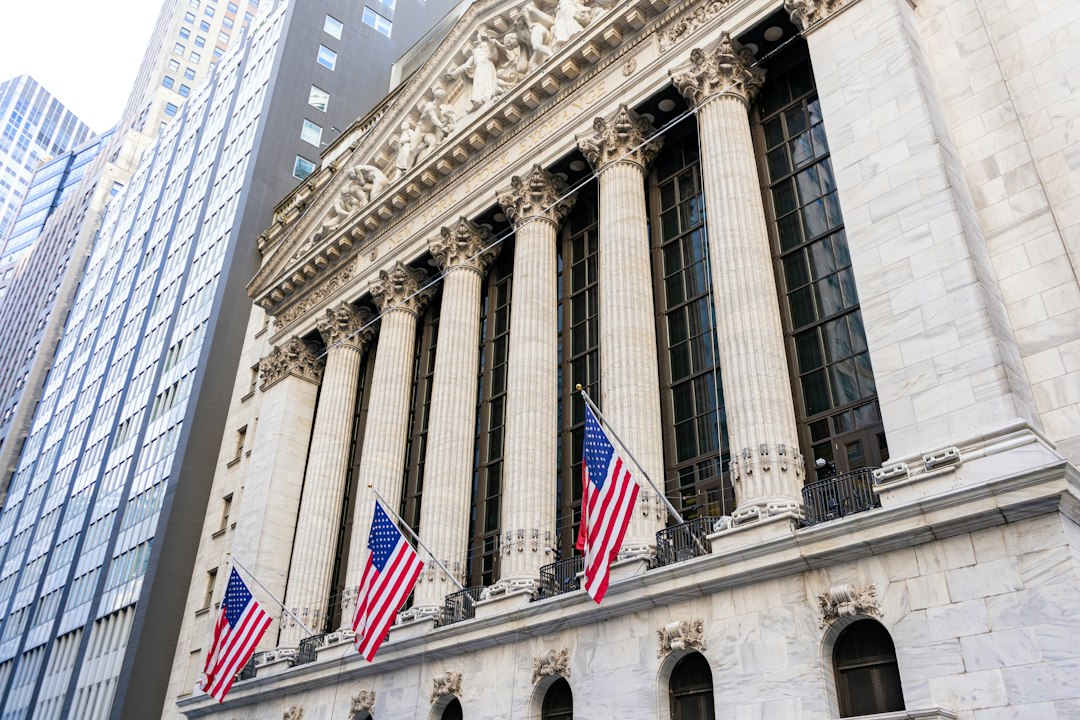
The Trump administration is stepping up pressure on Kevin Warsh and the Federal Reserve as a possible interest-rate increase approaches. According to CNBC, the campaign comes just ten days before the central bank’s next policy meeting and aims to stop a rate hike.
That makes this more than a Washington political dispute. The Fed’s decision can ripple through Treasury yields, mortgage rates, the US dollar and stock valuations—and those effects can reach Indian investors who own US assets.
What happened
President Donald Trump and his administration are turning up the heat on Warsh ahead of the September Fed meeting. The immediate issue is whether policymakers will raise interest rates.
The supplied report describes a “full-court press” to halt a hike, but it does not provide the eventual decision or a vote tally. The key fact for investors is therefore the growing clash before the meeting—not a confirmed change in policy.
This follows a broader return of rate-hike anxiety. Our earlier explainer on Warsh’s Jackson Hole speech examined why markets began assigning more weight to tighter policy, while US stock futures slipped as hike bets returned.
Why the Fed’s decision matters
The federal funds rate is the short-term interest rate the Fed targets for lending between banks. It acts as an anchor for borrowing costs across the economy, even though mortgage, corporate-debt and Treasury rates also respond to inflation expectations, growth and market demand.
A rate increase generally makes money more expensive. It can lift yields on newly issued bonds, increase financing costs for businesses and households, and reduce the present value investors assign to distant corporate profits.
That last effect is important for growth stocks. When the discount rate—the rate used to translate future cash flows into today’s value—rises, companies whose expected profits sit far in the future can face greater valuation pressure.
The reverse is not automatic. Stopping a hike would not guarantee lower bond yields or higher stock prices, because markets may interpret the decision through the lenses of inflation, economic growth and political influence.
Why political pressure is a market issue
The Fed is designed to make monetary-policy decisions independently within the mandate set by Congress. Independence does not mean officials are free from criticism; it means rate choices are supposed to be based on economic objectives rather than short-term electoral preferences.
That credibility has practical value. If investors believe policy will remain focused on price stability and employment, longer-term inflation expectations may remain better anchored.
If political pressure appears to shape decisions, markets may demand extra compensation for holding long-dated government debt. That compensation can show up through higher yields even if the administration wants borrowing costs to fall.
This creates a difficult tension. Pressure to avoid a near-term hike could support risk assets at first, but concern about future inflation or institutional credibility could push in the opposite direction.
The bond-market connection
US government bonds trade through the Treasury market. Their prices and yields move inversely: when a bond’s price falls, its yield rises, and vice versa.
A more hawkish Fed—meaning one more willing to raise rates to restrain inflation—can pressure shorter-maturity bond prices. Longer-term yields may also rise, though their reaction depends on whether investors think tighter policy will successfully cool inflation and growth.
For an example of how quickly the relationship can shift, see our guide to rising Treasury yields and US stocks. The important lesson is that “Fed hike” does not translate into one simple trade across every maturity.
What it means for stock investors
The New York Stock Exchange and Nasdaq can react sharply when expected interest-rate paths change. Rate-sensitive areas may include technology, real estate, banks and heavily indebted companies, but the direction is not uniform.
Banks, for example, can benefit from wider lending margins in some rate environments, yet suffer if funding costs rise quickly or borrowers weaken. Real-estate businesses may feel pressure from more expensive financing, while profitable cash-rich companies may prove more resilient than speculative firms.
The headline can therefore be less useful than three underlying questions:
- Did the expected path of rates move, not merely the next meeting’s odds?
- Did Treasury yields rise or fall across short and long maturities?
- Did the Fed’s explanation change investors’ view of inflation and economic growth?
What Indian investors should notice
Indian investors with US stocks or funds face two moving parts: the asset price and the rupee-dollar exchange rate. A stronger dollar can cushion a decline in a US holding when measured in rupees, while a weaker dollar can reduce rupee returns.
Higher US yields can also affect global capital flows. When relatively safe US government debt offers more attractive income, some investors may become less willing to hold riskier assets elsewhere.
Still, one meeting should not replace a long-term allocation plan. Investors can instead check whether their US exposure is concentrated in rate-sensitive companies, whether bond holdings match their time horizon, and whether currency movements are dominating returns.
What to watch next
The next Fed meeting is the obvious event. The rate decision matters, but the policy statement and Warsh’s explanation may matter just as much because markets will search for clues about later meetings.
Watch these signals:
- The decision: Whether rates are raised or left unchanged.
- The reasoning: How officials describe inflation, jobs and broader economic conditions.
- Future guidance: Whether policymakers signal further tightening or flexibility.
- Treasury yields: Especially whether short- and long-term yields move together.
- The dollar: Currency markets can reveal whether investors see policy as tighter or less credible.
- Political messaging: Whether administration pressure continues after the meeting.
The cleanest takeaway is that the approaching decision now carries two risks: the economic consequences of another rate increase and the institutional consequences of visible political pressure. Investors do not need to predict the outcome, but they should understand why both can move markets in different—and sometimes conflicting—directions.


Comments
Have a thought or a question? Leave a comment — no account needed.