OpenAI chief executive Sam Altman says an initial public offering is not in the cards this year. With concerns about artificial-intelligence safety intensifying, he described 2026 as an “ill-advised” time for the company behind ChatGPT to enter public markets.
An initial public offering, or IPO, is the first sale of a private company’s shares to public investors. OpenAI’s decision means ordinary investors will not get direct stock-market access to one of the best-known AI companies anytime soon.

What happened
OpenAI has chosen not to pursue an IPO this year. The immediate reason highlighted by Altman is the growing focus on AI safety, rather than stock-market conditions or a proposed valuation.
That distinction matters. A public listing brings capital and liquidity—the ability for shareholders to trade their holdings—but it also brings regular financial reporting, shareholder scrutiny and continuous pressure from the market.
OpenAI is therefore signalling that an IPO would add the wrong kind of complexity at a sensitive point in the development of advanced AI. The company has not, based on the information provided, ruled out a listing permanently or announced a new timetable.
Why investors care about an IPO that is not happening
OpenAI is one of the central names in the current AI investment story, yet it remains private. Without a listed share, retail investors cannot simply search for an OpenAI ticker and purchase the company through a normal brokerage account.
The absence of an IPO also removes a potentially important event from the US new-listings calendar. A prominent technology flotation can draw attention and capital toward an entire industry, while giving public markets more information about its revenue, costs and risks.
For now, investors seeking AI exposure must use listed companies connected to the wider ecosystem rather than OpenAI itself. Those businesses can include providers of computing hardware, cloud infrastructure, software or data-centre capacity—but they have their own operations, valuations and risks. They should not be treated as substitutes that perfectly track OpenAI’s fortunes.
The decision also illustrates why private-company enthusiasm and public-market access are different things. A business can be influential and widely discussed without offering ordinary investors a direct way to own its equity.
Why AI safety complicates a listing
AI safety refers to efforts to prevent powerful systems from causing unintended harm, being misused or behaving in ways their developers cannot reliably control. It covers technical testing as well as questions about deployment, oversight and responsibility.
These concerns are not merely theoretical for a company approaching public markets. Prospective shareholders would need to assess how safety decisions could affect product releases, expenses, legal exposure and growth.
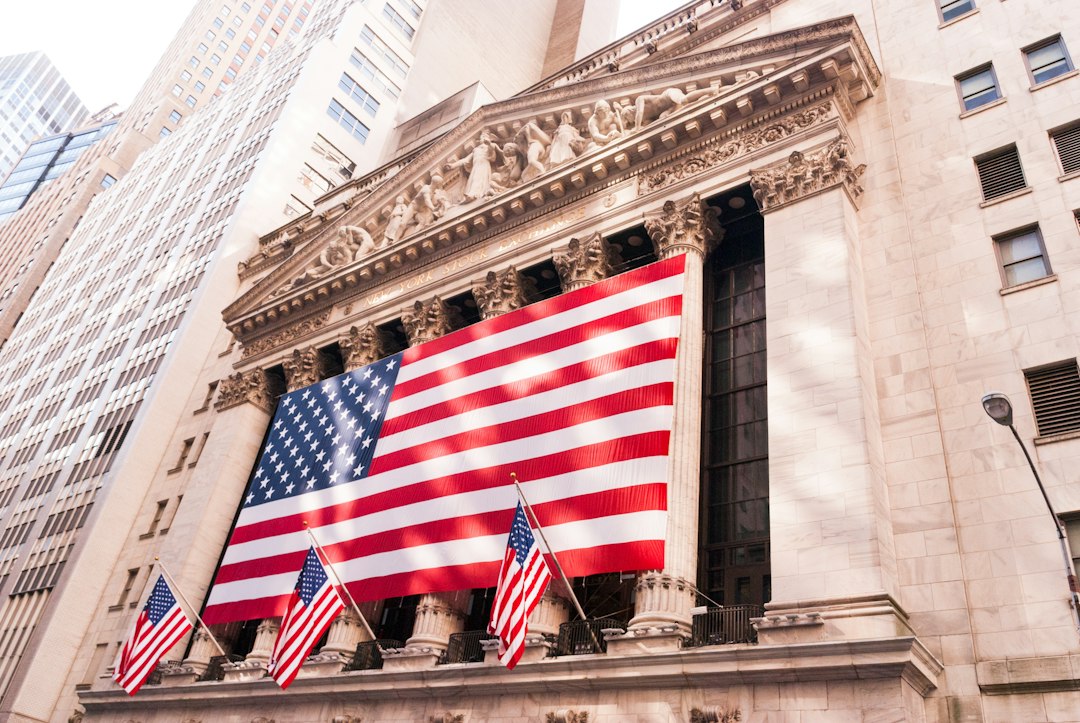
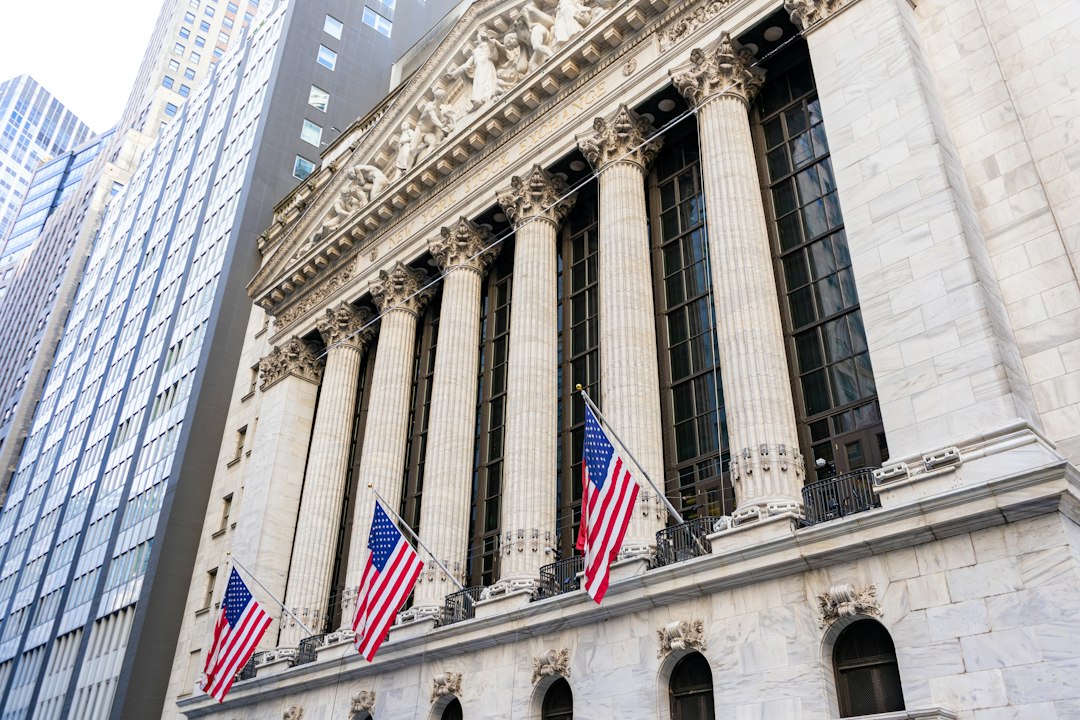
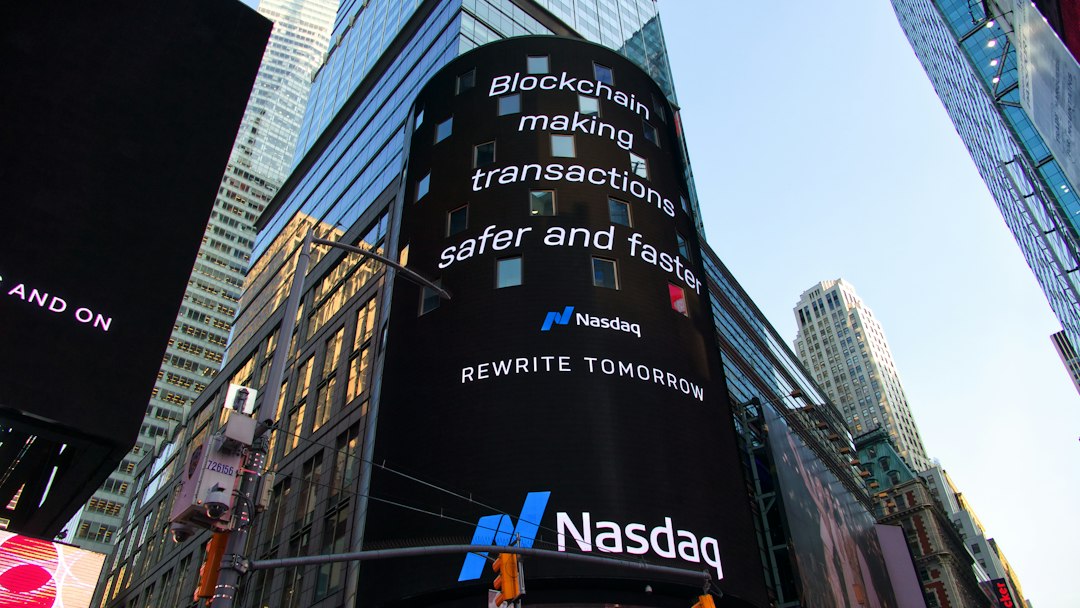
Public companies also operate under a bright spotlight. In the US, listed businesses generally face disclosure requirements overseen by the Securities and Exchange Commission, while their shares may trade on venues such as the Nasdaq or the New York Stock Exchange.
An IPO would therefore expose OpenAI’s strategy to recurring questions from analysts and shareholders. That accountability can be useful, but it can also create tension when a company believes caution is necessary even if it delays a product or increases costs.
What the decision does not tell us
The announcement does not establish when OpenAI might eventually list. It also does not provide an IPO valuation, an exchange, a ticker symbol or details of a share sale.
Investors should be wary of filling those gaps with speculation. Private funding transactions and media estimates do not automatically determine the price that public-market investors would accept in a future IPO.
Nor does postponing a listing prove that the wider AI trade is either attractive or unattractive. Public AI-related stocks are influenced by their own earnings, spending plans, competitive positions and valuations. Heavy investment can support future growth, but it can also strain cash flows and increase financing needs, as the scale of AI-related borrowing has already shown elsewhere in the market.
The tension between safety and shareholder pressure
The key issue is not simply whether OpenAI can go public. It is whether the disciplines of a listed company would fit the organisation’s priorities at this stage.
Public shareholders usually expect management to explain how spending will produce future returns. If safety work requires slower releases, more testing or expensive safeguards, management could face pressure to justify those choices in financial terms.
At the same time, remaining private does not eliminate commercial pressure. Private investors still expect progress, and the computing infrastructure required for leading AI systems can be costly. The difference is that those negotiations happen away from the daily movements and quarterly expectations of the stock market.
What Indian investors should understand
Indian residents may eventually be able to access a US-listed OpenAI through brokers that support overseas investing, subject to the applicable Indian foreign-exchange and tax rules at that time. But no such listed security exists today.
That makes ticker confusion a practical risk. Investors should not assume that similarly named securities, private-market offers or products claiming indirect access represent ownership of OpenAI. A legitimate future IPO would come with formal documents and identifiable exchange information.
It is also useful to separate a compelling technology story from the price paid for a security. If OpenAI eventually lists, investors would still need to examine its financial disclosures, governance, competitive position and proposed valuation rather than relying on ChatGPT’s popularity alone.
What to watch next
Several developments could indicate whether an IPO is moving closer:
- A formal filing: In the US, a conventional IPO process eventually involves registration documents filed with the SEC. Company comments alone are not the same as a filing.
- Greater financial disclosure: More detail about revenue, costs, capital requirements and business risks would help prospective investors evaluate the company.
- Governance changes: Investors will want clarity about who controls key decisions and how commercial goals interact with the organisation’s broader mission.
- Safety policy: Watch whether OpenAI introduces new testing, release or oversight measures as concerns rise.
- A revised timetable: The present message applies to this year. Any later plan would need fresh confirmation from the company.
The practical takeaway
OpenAI’s no-IPO decision is meaningful because it keeps a highly visible AI company outside the public market while safety questions are becoming more prominent. It also delays the detailed disclosures that could help investors separate the economics of generative AI from the excitement surrounding it.
For ordinary investors, there is no OpenAI stock to buy today. The useful response is not to chase supposed shortcuts, but to watch for official filings, understand the risks of indirect exposure and evaluate any eventual listing on its disclosed fundamentals.

Comments
Have a thought or a question? Leave a comment — no account needed.