
An oil shock is forcing investors to rethink the direction of interest rates. Rising energy costs have pushed headline inflation higher across major economies, and the Federal Reserve and Bank of England are expected to raise rates this week, according to the report.
That matters because markets had to absorb several pressures at once: higher oil prices, rising government-bond yields and renewed expectations of tighter monetary policy. For ordinary investors, the key issue is not just what the Fed announces, but whether policymakers signal that elevated rates could persist.
What happened
Central banks have turned more hawkish as the West Asia oil shock feeds inflation. “Hawkish” means favouring higher interest rates, or keeping them high, to restrain price increases—even when that may slow economic growth.
The report says rate increases have again become a global trend, creating the longest period of monetary tightening since 2023. The European Central Bank has already raised rates twice since the conflict began, while markets are preparing for decisions from the Fed and the Bank of England.
Oil is the connecting thread. When crude becomes more expensive, it can raise transport, manufacturing and distribution costs. Businesses may absorb some of that increase, but persistent pressure can eventually reach consumers through higher prices.
This has revived the risk that headline inflation—the broad inflation measure that includes volatile food and energy prices—stays elevated. Central bankers cannot directly produce more oil, but they can use interest rates to prevent an energy-price shock from spreading into broader and more persistent inflation.
Why the Fed decision matters
The Fed influences short-term borrowing costs throughout the US economy. A higher policy rate can lift financing costs for mortgages, credit cards and businesses, while also making cash and short-term government securities more competitive with shares.
Investors will therefore look beyond the immediate rate decision. They will study the policy statement and remarks from Fed officials for clues about the future path of rates.
This decision follows a sharp repricing in expectations. Our earlier explainer on Fed rate-hike odds after Jackson Hole covered how quickly policy expectations can move when officials sound more concerned about inflation.
Small changes in inflation data can also affect a close decision. The background is explained in why tiny inflation differences may sway the Fed.
Why oil can unsettle stocks and bonds together
Stocks and bonds do not always move in opposite directions. An inflation shock can hurt both.
Bond prices typically fall when investors demand higher yields to compensate for inflation and tighter policy. A yield is the annual return implied by a bond’s price; prices and yields move in opposite directions.
Higher US Treasury yields can then pressure share valuations. Future corporate profits become less valuable when discounted at a higher interest rate, and safer assets offer investors a more attractive alternative.
The pressure can be especially noticeable in expensive growth stocks, where much of the expected profit lies years ahead. Companies that need regular refinancing may also face higher interest expense.
Benchmark Treasury yields have been under strain as oil strengthens the case for elevated rates. For more context, see our breakdown of the US 10-year yield nearing 5%.
What it means for the dollar and gold
The US dollar has moved towards a two-week high as oil prices and Treasury yields climbed. Higher expected US rates can support the dollar because dollar-denominated assets may offer more attractive yields, although currencies respond to many forces at once.
A stronger dollar can tighten global financial conditions. Borrowers outside the US with dollar liabilities may face heavier repayment burdens, while US multinationals can see overseas revenue translate into fewer dollars.
Gold faces a more complicated trade-off. Geopolitical tension can increase demand for assets viewed as stores of value, but rising bond yields raise the opportunity cost of holding gold because bullion pays no interest.
That helps explain why gold slipped as oil strengthened the case for high rates. It also shows why geopolitical risk does not automatically push gold higher: the response of the dollar and bond market matters.
The central-bank dilemma
Policymakers are dealing with a difficult type of inflation. Higher rates can cool borrowing and demand, but they cannot repair damaged energy infrastructure or resolve supply disruptions.
If central banks tighten too little, they risk allowing an oil-driven price increase to influence wages and a wider range of goods and services. If they tighten too much, they could weaken growth while households and companies are already paying more for energy.
This is why communication may matter almost as much as the rate move itself. A central bank can raise rates while still sounding cautious about future increases, or it can deliver a smaller move with a forceful warning that more tightening may follow.
The Federal Open Market Committee, which sets the Fed’s monetary-policy stance, will have to balance current inflation pressure against the risk that the oil shock damages demand.
Risks investors should keep in view
The immediate risk is that oil remains high for long enough to affect inflation expectations. These expectations matter because workers, consumers and businesses may change wage demands, spending or prices if they believe inflation will persist.
There is also a growth risk. High energy costs act like a squeeze on household budgets, while higher interest rates make borrowing more expensive. Together, those pressures can slow consumption and investment.
Market positioning adds another layer. If traders have already priced in a sizeable rate increase, the reaction may depend on whether the decision and guidance are more or less aggressive than expected—not simply on whether the Fed raises rates.
Geopolitical headlines remain an unpredictable variable. The report links the oil surge to conflict in Saudi Arabia and delays involving Gulf-Iran developments. Any change affecting expected oil supply could quickly alter inflation, bond-yield and rate expectations.
What to watch next
Investors can focus on four signals:
- The Fed’s rate decision: The size and wording will show how seriously policymakers view the renewed inflation risk.
- Forward guidance: Watch whether officials describe further increases as likely, possible or dependent on incoming data.
- Treasury yields: Continued increases would suggest markets expect tighter policy or more persistent inflation.
- Oil prices: A sustained rise matters more for the inflation outlook than a brief spike.
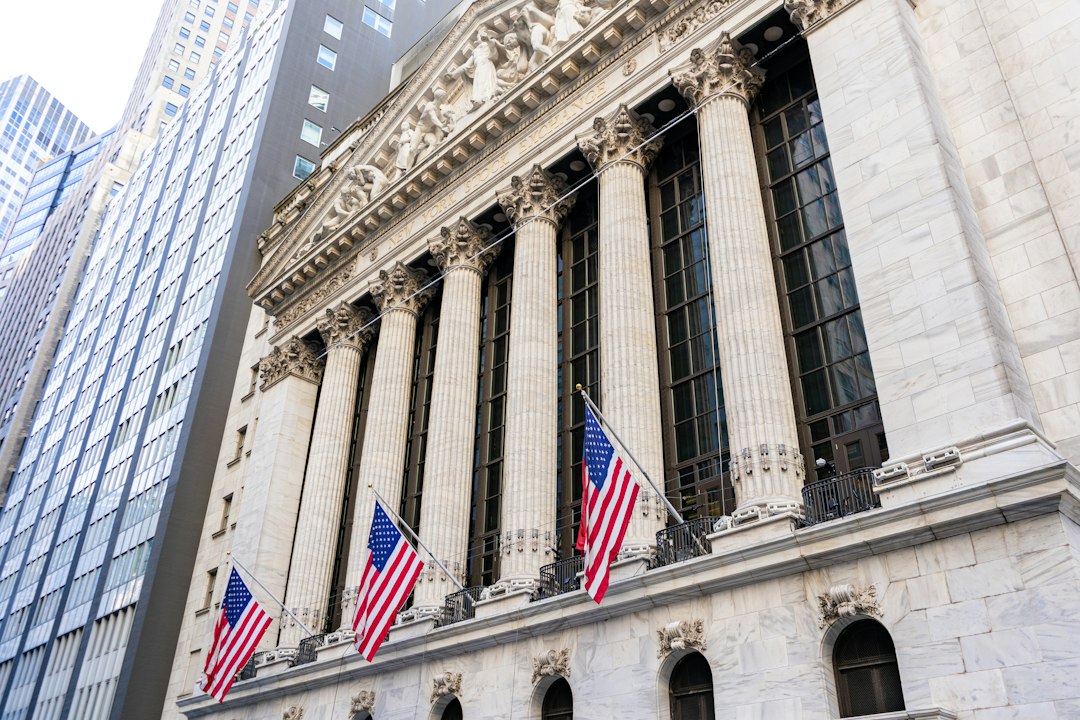
It is also worth tracking whether the dollar continues strengthening and whether equity weakness broadens beyond rate-sensitive sectors. The New York Stock Exchange and Nasdaq may react not only to the decision, but also to every hint about how long restrictive policy could last.
The larger lesson is straightforward: an oil shock can travel rapidly from commodities into inflation forecasts, bond yields, currencies and stock valuations. The Fed’s next message will help determine whether markets treat this as a temporary energy disruption or the beginning of a more persistent tightening cycle.



Comments
Have a thought or a question? Leave a comment — no account needed.