
Dick’s Sporting Goods shares suffered their worst selloff on record after the sporting-goods retailer missed profit and sales expectations and lowered its full-year outlook. The weakness also weighed on other footwear names, turning one company’s earnings disappointment into a wider warning about consumer demand.
At a glance
| Last | Change | Prev Close | |
|---|---|---|---|
| Dick’s Sporting Goods | 124.31 | -32.16% | 183.23 |
| S&P 500 | 7,677.28 | +0.04% | 7,674.37 |
| Dow Jones | 53,577.40 | +0.56% | 53,277.01 |
| Nasdaq Composite | 26,151.30 | -0.11% | 26,180.46 |

The immediate problem was straightforward: shoppers were not buying enough sneakers at regular prices. Retailers had to lean on deeper discounts, which can lift unit sales but usually puts pressure on profit margins.
What happened
Dick’s reported profit and sales below expectations, then reduced its outlook for the full year. An outlook is management’s estimate of future business performance; when it is cut, investors often reassess what the company’s earnings may be worth.
The market’s reaction was unusually severe because the report challenged more than one assumption. It suggested both weaker demand and a less favourable pricing environment, while the revised forecast indicated that management did not expect a quick, complete recovery.
The selloff spread to other footwear companies because Dick’s is an important seller of athletic shoes. Its shelves and customer traffic can provide a read on demand for products supplied by brands such as Nike and Adidas.
Why sneakers are the heart of the story
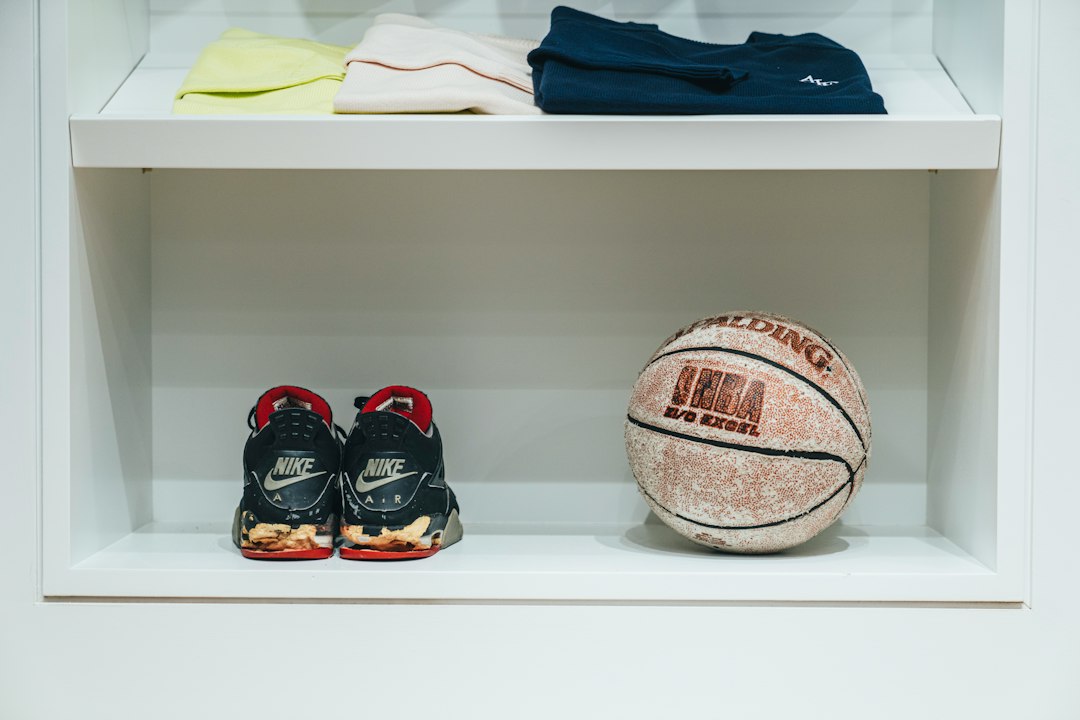
The report pointed to shoppers souring on retro sneakers, a fashion category built around older shoe designs brought back for modern buyers. These products can be highly profitable when demand is strong because popularity supports full-price sales.
Fashion cycles can reverse quickly, however. If a widely stocked style loses momentum, retailers may need to mark down inventory to clear space for newer products.
A markdown is a price reduction on merchandise. It matters because the retailer paid for the goods before knowing whether customers would accept the original selling price. Deeper markdowns therefore reduce the gross margin—the percentage of sales left after the direct cost of merchandise.
Why one retailer’s bad day matters
Dick’s is not the whole US consumer economy, and one earnings report cannot establish a broad recession or a permanent change in spending. Still, its results offer a useful view of discretionary demand: purchases that households can delay or skip, unlike rent, food or utilities.
Sporting goods sit in a sensitive part of the household budget. Consumers may still visit stores but wait for promotions, trade down to cheaper options or postpone replacing footwear. That behaviour can preserve sales volumes while weakening retailers’ profits.
The reaction in related stocks also shows how investors use a retailer’s results to update expectations for its suppliers. If stores discount more heavily, footwear brands can face tougher wholesale orders, slower product turnover or pressure to help fund promotions.
This is a reminder that a headline index can look healthy even as particular industries weaken. Our explainer on what an S&P 500 rally can hide beneath the surface discusses why company-level signals may differ sharply from the broad market.
Why the stock fell so sharply
A stock price reflects expectations, not just the latest reported quarter. When a company misses current estimates and cuts its future outlook at the same time, investors may lower both their earnings forecasts and the valuation multiple they are willing to pay.
A valuation multiple compares a stock’s price with a business measure such as earnings. It can contract when investors become less confident about growth, pricing power or management’s visibility into demand.
That two-part reset can produce an outsized move. Lower expected profit reduces the underlying earnings base, while a lower multiple reduces how much the market values each dollar of those earnings.
The record nature of the drop does not, by itself, show that the market overreacted or that the shares became inexpensive. Investors still need to separate a temporary fashion slowdown from a more persistent problem involving traffic, inventory and promotional intensity.
The wider market backdrop
The selloff arrived while US investors were also watching Treasury yields and major technology earnings. Falling yields had recently provided support to stocks, but company-specific disappointments can overpower a favourable market backdrop.
A Treasury yield is the return implied by the price of US government debt. Lower yields can support stock valuations, yet they do not repair weaker sales or shrinking retail margins. For more context, see how Treasury debt buybacks pushed yields lower.
Dick’s trades on the New York Stock Exchange. Investors following a live price should remember that a large one-day percentage change can remain volatile as analysts update forecasts and short-term traders reposition.
What investors should examine next
The next useful clues will come from company updates and reports across the footwear supply chain. Rather than focusing only on the share-price bounce or decline, watch the operating evidence:
- Comparable sales: Sales from stores and digital channels operating in both comparison periods. This helps separate underlying demand from growth caused by new locations.
- Gross margin: A falling margin may show that discounts, product costs or an unfavourable sales mix are hurting profitability.
- Inventory: Elevated stock relative to demand can lead to further markdowns. Better inventory balance may reduce promotional pressure.
- Full-price selling: Stronger sales without heavy discounts would indicate healthier customer demand and better pricing power.
- Management’s outlook: Future revisions will show whether the lowered forecast was a cautious reset or the start of a longer earnings slowdown.
- Supplier commentary: Updates from major shoe brands may reveal whether weak retro-sneaker demand is concentrated in certain styles or spreading across categories.
Investors can check future filings and earnings materials through Dick’s investor-relations site and the US Securities and Exchange Commission. Regulatory filings provide the company’s formal financial statements and risk disclosures, which are more useful than trying to infer a turnaround from one trading session.
The key takeaway
Dick’s record selloff was not simply about one disappointing quarter. It reflected a combination of missed expectations, a reduced full-year outlook and evidence that sneakers require deeper discounts to attract buyers.
For ordinary investors, the central question is whether this is a normal fashion-cycle correction or a broader weakening in discretionary spending. Upcoming margin, inventory and comparable-sales figures should offer a clearer answer than the size of the initial stock drop.



Comments
Have a thought or a question? Leave a comment — no account needed.