
Build-A-Bear Workshop shares plunged 27.3% after the retailer cut its fiscal 2026 revenue outlook for the second time. It was the stock’s biggest one-day decline, according to the report, and extended its loss for the year to 54%.
At a glance
| Last | Change | Prev Close | |
|---|---|---|---|
| Build-A-Bear Workshop | 28.44 | -27.76% | 39.37 |
| S&P 500 | 7,730.99 | +0.70% | 7,677.28 |
| Dow Jones | 53,569.44 | -0.01% | 53,577.40 |
| Nasdaq Composite | 26,541.35 | +1.49% | 26,151.30 |

The company pointed to three pressures: the loss of a Walmart partnership, slower wholesale opportunities and tariff costs. It also terminated its chief growth officer, adding a management shake-up to an already difficult business update.
What happened
A revenue outlook, also called guidance, is management’s estimate of how much the company expects to sell over a future period. When that estimate is reduced, investors generally reassess the sales, profits and cash flow that the business may generate.
This was Build-A-Bear’s second reduction to its fiscal 2026 revenue guidance. Repeated cuts can be more damaging than a single miss because they raise questions about whether management has a clear view of demand and operating costs.
The market’s response was severe: a 27.3% one-day fall. That does not merely signal disappointment with one quarter; it suggests investors rapidly lowered their expectations for the company’s near-term growth and profitability.
The scale of the move resembles other sharp retail reactions, such as the recent Dick’s Sporting Goods selloff after sneaker demand weakened. In both cases, the central issue is whether softer business momentum is temporary or points to a more lasting reset.
Why the Walmart partnership matters
The loss of a partnership with Walmart can affect more than headline revenue. A large retail partner can give a smaller brand broad distribution, access to new customers and meaningful sales volume without requiring the brand to build stores everywhere.
When such a channel disappears, the company must replace those sales through its own shops, online operations or other wholesale partners. Wholesale means selling products to another retailer, which then sells them to consumers.
That replacement process may take time. The report says Build-A-Bear is also facing slower wholesale opportunities, so one possible route for recovering the lost business is not developing as quickly as hoped.
Investors will therefore need to distinguish between two questions. Can Build-A-Bear find another distribution partner, and can any replacement business produce economics comparable with the lost arrangement?
Tariffs add another layer of pressure
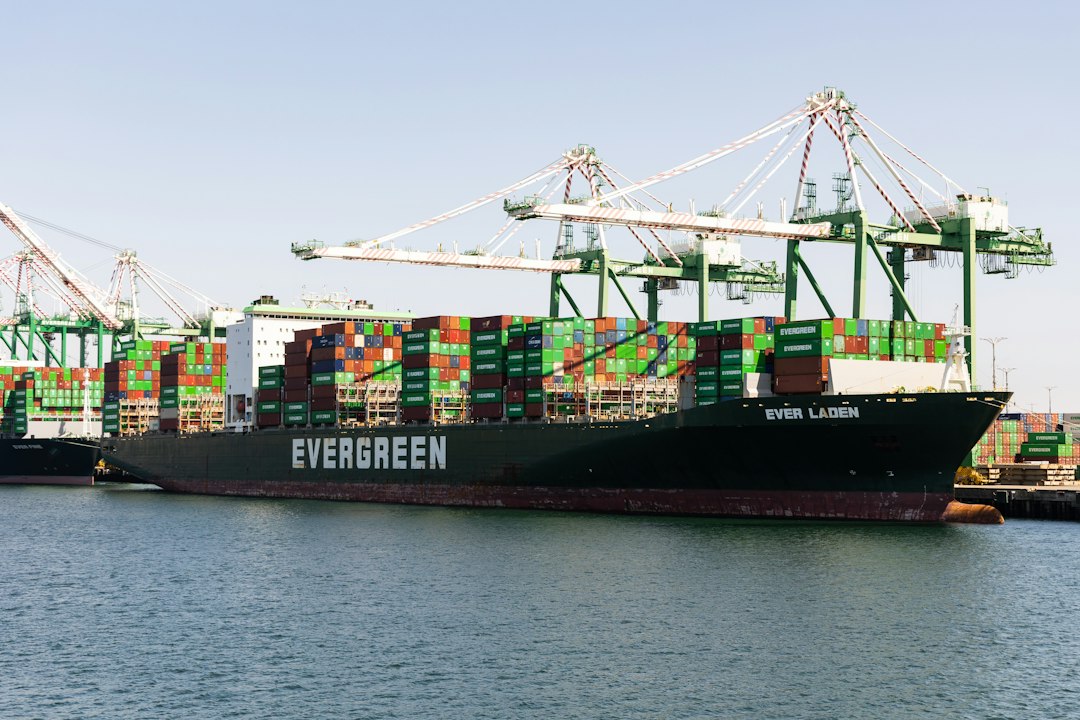
Tariffs are taxes charged on imported goods. For a retailer, they can raise the cost of products or components sourced internationally.
A company facing higher tariff costs generally has a limited set of responses: absorb the cost, raise prices, negotiate with suppliers or change where it sources goods. Each choice involves a trade-off.
Absorbing the cost can squeeze margins—the share of sales left after costs. Raising prices may protect margins but could weaken customer demand, particularly for discretionary purchases that households can postpone.
Tariff exposure is not unique to Build-A-Bear. The broader effects of cross-border duties are explored in our explainer on how retaliatory tariffs can create risks for US investors. For this company, however, the pressure arrives while revenue expectations are already moving lower.
Why the management change stands out
Build-A-Bear also terminated its chief growth officer. The report does not provide further detail about the reason, so investors should avoid assuming more than is known.
Still, the timing is significant. A senior executive departure alongside a second guidance cut can prompt questions about strategy, execution and accountability.
The useful evidence will come from the company’s future filings and management updates, not speculation. Investors can monitor announcements through Build-A-Bear’s investor-relations website and filings made with the US Securities and Exchange Commission.
Why a stock can fall much faster than revenue
A stock price reflects expectations about many years of future cash flow, not only the latest sales number. If investors simultaneously lower their estimates for revenue growth and profit margins, the change in valuation can be much larger than the change in near-term sales.
This effect can be especially strong in a smaller consumer company. A lost distribution agreement, weak wholesale expansion and higher import costs can interact rather than remain isolated problems.
For example, lower sales volume can make fixed costs harder to spread across each product sold. At the same time, tariffs can increase unit costs. Together, those pressures may reduce expected profit faster than revenue alone would suggest.
A 27.3% decline does not by itself show that a stock has become cheap. Price is what the market quotes; value depends on the sustainable earnings and cash flow the company can produce.
What this means for ordinary investors
The episode is a reminder that company-specific risk can overwhelm the direction of the wider market. Even when major US indices are stable or rising, one stock can suffer a historic decline because its own outlook changes.
Diversification—spreading money across several holdings—can limit the damage from one company’s setback. It cannot prevent market losses, but it reduces dependence on a single retailer, partnership or management team.
It is also worth separating a familiar brand from a predictable business. Consumer recognition may help attract customers, yet investors still need to examine distribution, costs, pricing power and management’s forecasting record.
A dramatic fall can tempt investors to react quickly. A calmer approach is to ask what assumptions changed, what evidence could improve the picture and what risks remain unresolved.
What to watch next
Several developments could clarify whether this is a short-term disruption or a deeper slowdown:
- Updated revenue guidance: Watch whether management maintains the newly lowered outlook or revises it again.
- Replacement distribution: Look for evidence that new wholesale partners can offset the lost Walmart business.
- Tariff impact: Future company updates may show whether higher costs are being absorbed, passed to customers or reduced through sourcing changes.
- Profit margins: Revenue stability would not fully solve the problem if tariff costs and weaker sales volume continue to squeeze profitability.
- Leadership plans: Investors will want to know how growth responsibilities are reassigned after the chief growth officer’s termination.
- Official filings: Quarterly reports on the SEC’s EDGAR database can provide more detail than market headlines.
Build-A-Bear’s next updates now carry greater weight because management has already reduced its outlook twice. The key issue is not whether the share price rebounds immediately, but whether the business can restore credible growth expectations while managing distribution and tariff pressures.



Comments
Have a thought or a question? Leave a comment — no account needed.