
Anthropic has told investors that it will post a second straight quarterly profit, according to a Financial Times report carried by Investing.com. The headline matters because the artificial-intelligence company is showing signs that generative AI may support a profitable business—not merely rapid growth funded by investors.
The report provides no profit figure, revenue number, accounting definition or detailed forecast. That makes this an important signal rather than a complete financial picture.

What happened
Anthropic reportedly expects to be profitable for a second consecutive quarter. Anthropic develops Claude, a family of generative-AI systems that can produce text, code and other content in response to users’ instructions.
“Quarterly profit” simply means income exceeded expenses during the relevant three-month period. But the report does not say whether Anthropic is referring to net profit under standard accounting rules, operating profit or an adjusted measure that excludes selected costs.
That distinction is crucial. An adjusted profit can still show improving business economics, but it is not automatically comparable with the bottom line reported under generally accepted accounting principles, commonly called GAAP.
Anthropic is a private company, so there is no listed stock ticker for investors to trade. It also does not have the same routine public-reporting obligations as companies listed on the Nasdaq or the New York Stock Exchange.
Why this is a big AI-market story
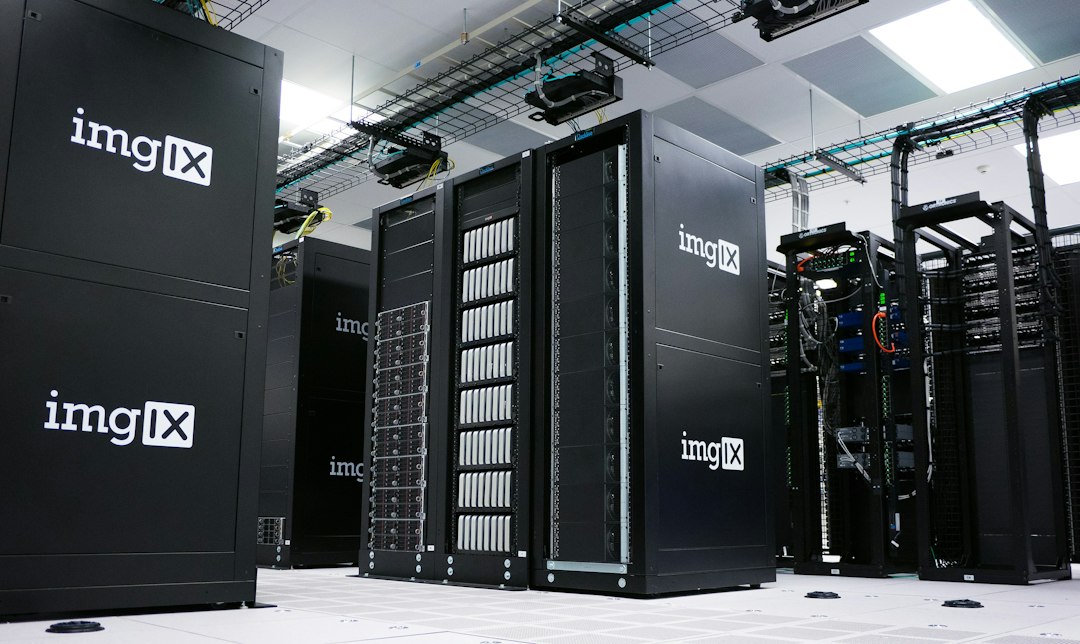
Generative AI requires expensive computing infrastructure. Companies must pay for specialised chips, data centres, electricity, networking equipment and technical staff before an AI service can answer millions of customer requests.
That creates a basic investor question: can revenue from subscriptions and business customers grow faster than the cost of building and running the models? A second profitable quarter would suggest Anthropic may be making progress on that challenge, although the sparse report does not prove the trend is durable.
Profitability also changes the conversation around the broader AI boom. Investors have spent years rewarding companies for exposure to AI, but mature market enthusiasm eventually depends on customers paying enough to produce sustainable cash flows.
This is especially relevant after large stock moves elsewhere in the AI trade. Our explainers on Broadcom’s post-earnings decline and the risks behind Netlist’s AI rally show why a strong theme does not remove company-specific valuation and execution risks.
Why ordinary investors should care
Most readers cannot buy Anthropic shares through a normal brokerage account because the company is privately held. Still, its performance can affect expectations across several parts of the public market.
First, profitable AI developers could support continued demand for computing capacity. That matters to listed chip designers, data-centre operators, cloud platforms and networking suppliers, although the report does not identify which companies would benefit or by how much.
Second, the news may influence how investors value public software companies adding AI features. If an AI-native business can turn a quarterly profit, markets may ask established software groups to show clearer revenue, margins and customer retention from their own AI spending.
Third, stronger private-company finances can alter fundraising and eventual listing expectations. An initial public offering, or IPO, is the first sale of a company’s shares to public investors. The supplied report does not say that Anthropic is planning an IPO, so investors should not treat profitability as evidence that a listing is imminent.
Profit is not the same as cash flow
One profitable quarter can be encouraging without settling the bigger questions. Accounting profit measures revenue minus recognised expenses, while cash flow tracks actual cash entering and leaving the business.
A company can report profit yet consume cash because it is spending heavily on equipment, infrastructure or expansion. Conversely, customer prepayments can strengthen cash flow before all related revenue is recognised.
The report does not disclose Anthropic’s cash generation, capital expenditure or financing needs. Those missing details make it impossible to judge how self-sustaining the business has become.
The private-company information gap
Public companies file regular financial statements with the US Securities and Exchange Commission. These reports give investors standardised figures, risk disclosures and management commentary.
Private companies generally reveal less. A statement made to investors may be accurate while still leaving outsiders without the detail needed to compare periods, verify definitions or assess the quality of earnings.
For Anthropic, useful questions include whether profitability includes stock-based compensation, how computing commitments are treated and whether the result came from recurring customer demand or temporary factors. None of those answers appears in the supplied news item.
This gap is a reminder that a headline can move sentiment before investors have enough information to estimate value. Understanding how exchanges and listed-company disclosure work can help; see our plain-language guide to what a stock exchange does.
The risks behind the headline
The first risk is measurement. Without a precise definition, “profitable” may mean something different from the net income figure investors usually expect.
The second is sustainability. Two quarters form a pattern, but not a full business cycle. Demand, competition and computing costs can change quickly in generative AI.
The third is concentration. The report does not disclose Anthropic’s customer mix, so readers cannot tell whether its results depend heavily on a small number of large clients.
The fourth is valuation spillover. Investors may use one private company’s reported success to justify higher prices across unrelated AI stocks. That shortcut can be dangerous because hardware, cloud services and AI applications have different economics and competitive pressures.
The fifth is limited access. Private-company shares are often difficult to buy, difficult to sell and available under terms that differ from ordinary listed shares. A prominent name does not remove liquidity risk—the risk of being unable to exit an investment quickly at a reasonable price.
What to watch next
The most useful follow-up would be clarification of the profit measure. Investors should look for whether Anthropic means GAAP net income, operating income or an adjusted result.
Revenue growth and profit margins would add context. A profit margin is the share of revenue left after specified costs; rising margins can indicate improving efficiency, while a one-off profit may not.
Cash flow will be equally important. Positive operating cash flow would offer additional evidence that the core business is funding itself, though infrastructure commitments could still require substantial investment.
Watch for customer and product disclosures as well. Evidence of recurring demand from businesses would be more informative than a broad claim of AI adoption, especially if it shows customers continue paying after early trials.
Finally, investors should monitor filings and announcements from relevant public-market companies rather than assuming Anthropic’s reported result automatically lifts the whole sector. The Federal Trade Commission and other US authorities also remain relevant to competition in technology markets, but the supplied report identifies no regulatory action connected with this news.
The practical takeaway
Anthropic’s reported second consecutive quarterly profit is notable because it points toward a possible business case for generative AI despite its heavy computing costs. It is also a reminder that the market now expects more than impressive demonstrations: it wants evidence of repeatable economics.
For ordinary investors, the sensible focus is not on trying to trade an unavailable private share. It is on separating verified financial performance from broad AI enthusiasm—and waiting for clear definitions, cash-flow data and sustained results before drawing conclusions about the wider sector.



Comments
Have a thought or a question? Leave a comment — no account needed.